

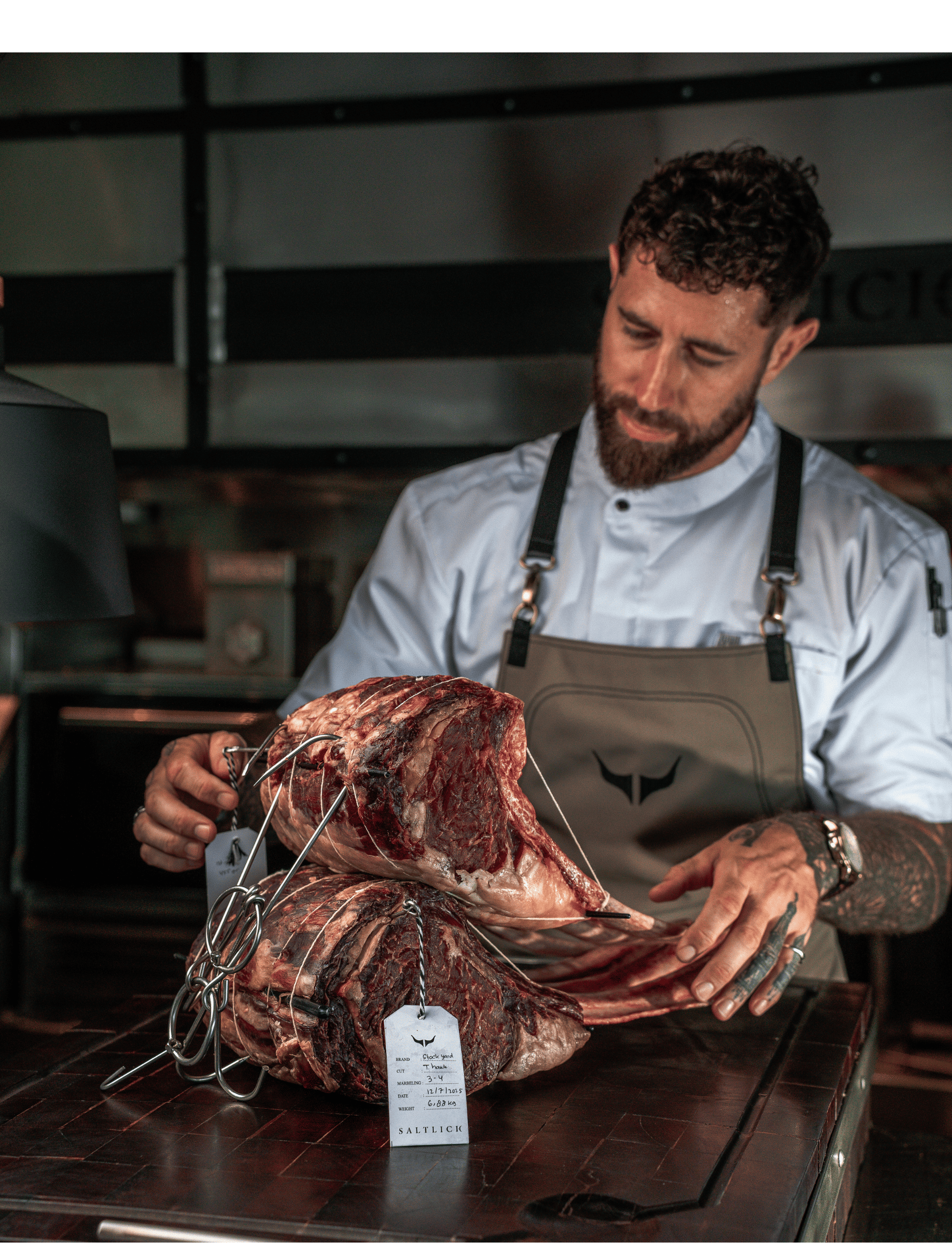
Best Steak Cuts Explained (And How to Choose Yours)
A clear, expert guide to the best steak cuts from ribeye to tenderloin, explaining flavour, texture, marbling, and how to choose the right steak for your taste and occasion.
Ordering steak should feel intuitive, not uncertain. Yet even experienced diners can hesitate when faced with a list of cuts, each promising something different. Should you choose tenderness over flavour? Lean over rich? Bone-in or boneless?
The reality is simple: there is no single “best” steak cut. The right choice depends on what you enjoy most, how you like your steak cooked, and the experience you’re looking for at the table.
This guide explains the most respected steak cuts, what defines them, and how to choose the one that suits you best. It’s designed to inform rather than persuade, offering clarity so your decision feels confident and personal.
Ribeye: Richness and Depth
Ribeye is often considered the definitive steak cut. Taken from the rib section, it contains generous marbling and a balance of muscle and fat that delivers consistent flavour.
This is a steak for those who enjoy richness. The fat melts during cooking, basting the meat from within and creating a rounded, full-bodied beef flavour.
Ribeye holds moisture well, which makes it forgiving on the grill and ideal for open-flame cooking.
Why choose ribeye?
It offers depth, juiciness, and intensity. It’s particularly suited to diners who enjoy bold flavour and a luxurious mouthfeel.
Best cooked: medium-rare
Texture: soft, juicy, indulgent
Ribeye benefits from simplicity. Good seasoning, high heat, and adequate resting allow the cut to speak for itself.
Sirloin: Balance and Clarity
Sirloin sits between richness and leanness. It has less fat than ribeye but retains a clean, traditional beef flavour.
This cut appeals to diners who enjoy structure without heaviness. When cooked properly, sirloin delivers a satisfying bite and a clear expression of beef.
Why choose sirloin?
It’s balanced, versatile, and approachable. It works well for those who want flavour without excessive richness.
Best cooked: medium to medium-rare
Texture: firm yet tender
Sirloin is often understated, but its reliability and clarity make it a staple in any serious steak selection.
Tenderloin (Fillet): Softness and Precision
Tenderloin is the most tender steak cut available. It comes from a muscle that does very little work, resulting in an exceptionally soft texture.
Unlike ribeye, fillet contains very little fat. Its flavour is subtle rather than bold, which is why it’s often served with minimal seasoning or paired with gentle sauces.
Why choose tenderloin?
It prioritises tenderness above all else. It’s ideal for diners who value texture and refinement over richness.
Best cooked: rare to medium
Texture: fine-grained, soft, delicate
Fillet rewards precise cooking. Overcooking quickly diminishes its appeal.
T-Bone and Porterhouse: Contrast on the Plate
Both T-bone and porterhouse steaks include two distinct muscles separated by a bone: tenderloin on one side and sirloin on the other.
The difference lies in proportion. Porterhouse steaks contain a larger portion of tenderloin, making them slightly larger and more indulgent.
These cuts are as much about experience as flavour. The bone retains heat during cooking and adds visual presence at the table.
Why choose T-bone or porterhouse?
They offer contrast in texture and flavour and are ideal for sharing.
Best cooked: medium-rare
Texture: varied, tender on one side, firmer on the other
These steaks suit diners who enjoy variety and a more communal approach to dining.
Bone-In vs Boneless: What’s the Difference?
Bone-in steaks often retain heat more effectively and can add subtle flavour during cooking. They also create a more dramatic presentation and encourage sharing.
Boneless steaks offer even cooking and simplicity. Neither option is inherently better.
The choice depends on whether you value ease or experience.
Steak Cuts: FAQ
What is the most tender steak cut?
Tenderloin (fillet) is the most tender cut available.
Which steak has the strongest flavour?
Ribeye and hanger steak are known for their depth of flavour.
Is marbling always better?
Not necessarily. Marbling adds richness, but leaner cuts appeal to those who prefer a cleaner taste.
What’s the best steak for sharing?
T-bone and porterhouse steaks are ideal for shared dining.
Does steak quality matter more than the cut?
Yes. Sourcing, handling, and cooking are just as important as the cut itself.Understanding steak cuts simply helps diners choose with more confidence and enjoy the experience more fully.
At SALTLICK, that understanding quietly informs how steaks are selected and cooked, allowing each cut to speak for itself without distraction.
Reserve your table via the links below and enjoy Bali’s best dry-aged steaks.
FOLLOW US:
Stay updated on our latest news, special events, and exclusive offers by following us on social media.
Connect with us on Instagram and stay closer to SALTLICK.
