

Understanding the Cuts
Ask five steak lovers which cut of beef is best and you may receive five different answers.
Ribeye is celebrated for its marbling. Tenderloin is prized for tenderness. Striploin offers a balance between texture and richness, while porterhouse gives you two distinct cuts in a single steak. Picanha, meanwhile, has built a following around its distinctive beef flavour and generous fat cap.
So, what is actually the best part of beef for steak?
There is no single answer. Different areas of the animal produce very different steaks, and the best choice depends on whether you value tenderness, marbling, flavour or texture most.
At SALTLICK, understanding these differences is an important part of selecting and preparing beef. Here are some of the most highly regarded steak cuts and what makes each one distinctive.

1. Ribeye: Best for Marbling and Richness
Ribeye comes from the rib section of the animal and is one of the most recognisable premium steak cuts.
Its defining characteristic is marbling. Fine seams of intramuscular fat run throughout the meat, melting as the steak cooks and contributing richness, moisture and flavour.
Because of its fat content, ribeye responds exceptionally well to high heat. As the fat renders over the grill, it helps create the deep savoury character associated with a well-cooked ribeye.
For diners who prioritise richness and marbling, ribeye is difficult to overlook.
2. Tenderloin: Best for Tenderness
Tenderloin is found along the rear portion of the spine and performs relatively little physical work during the animal’s life.
That lack of movement is what makes it exceptionally tender.
However, tenderness comes with a trade-off.
Tenderloin is considerably leaner than ribeye, meaning it does not have the same level of rich, rendered fat. Its flavour is typically more delicate.
For diners who value softness and refinement above intense beefiness, tenderloin remains one of the classic choices.
3. Striploin: Best All-Rounder
Striploin, sometimes known as New York strip, offers a particularly appealing middle ground.
It comes from the short loin and combines good tenderness with a firmer, more substantial texture than tenderloin. It also contains enough marbling to deliver richness without becoming overwhelmingly fatty.
The result is a steak with a pronounced beef flavour, satisfying bite and strong crust
At SALTLICK, dry-aged striploin is cooked over woodfire, bringing together the character of the beef, the ageing process and the flavour developed over live flame.
4. Porterhouse: Best for Sharing
Porterhouse offers something unusual: two premium steaks separated by a single bone.
On one side is striploin. On the other is tenderloin.
This means a porterhouse combines the firmer, beefier character of striploin with the softer and more delicate texture of tenderloin.
The bone and substantial size also make porterhouse particularly well suited to slower, controlled cooking over live fire. Building a strong crust while bringing both muscles to the desired internal temperature requires careful heat management.
At SALTLICK, large-format steaks such as porterhouse are designed for sharing, making them particularly suited to longer dinners where the steak becomes the centre of the table.
5. T-Bone: Two Textures in One Cut
T-bone and porterhouse are closely related.
Both are cut from the short loin and contain striploin and tenderloin separated by a distinctive T-shaped bone. The principal difference is the size of the tenderloin section, which is larger on a porterhouse.
A T-bone therefore offers many of the same qualities: contrasting textures, excellent beef flavour and the experience of a substantial bone-in steak.
Cooking one requires precision because the tenderloin and striploin respond differently to heat.
When handled carefully, however, the result provides two different expressions of beef within a single cut.
6. Picanha: Best for Bold Beef Flavour
Picanha comes from the rump cap and has long been particularly popular in Brazilian and South American cooking.
Unlike highly marbled cuts, much of picanha’s richness comes from the thick fat cap running across the top of the muscle.
When cooked properly, that fat renders and helps flavour the meat beneath it.
The muscle itself has a satisfying texture and distinctive beef-forward character. Rather than the buttery richness of heavily marbled Wagyu or ribeye, picanha delivers something more robust.
It is an excellent choice for diners who want their steak to retain a little more structure while still offering plenty of flavour.
7. Tomahawk: Best for a Large-Format Steak
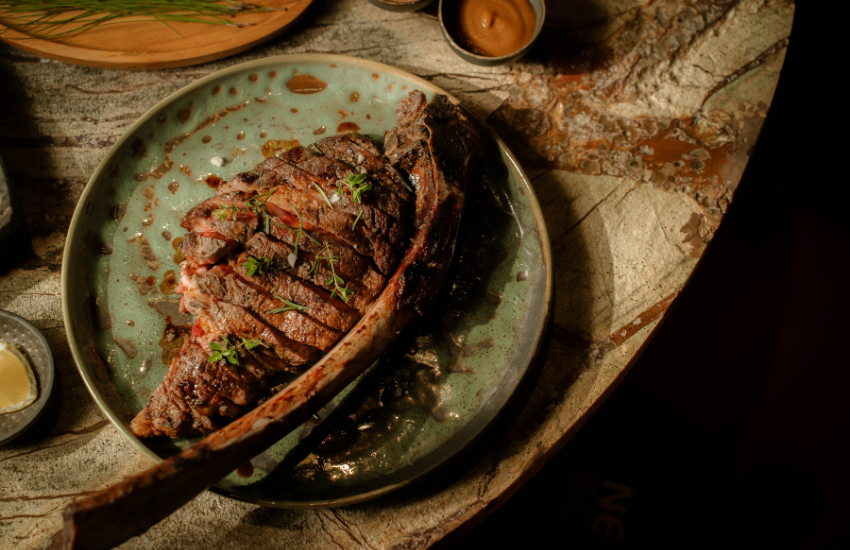
A tomahawk is essentially a bone-in ribeye with a long section of rib bone left attached.
Its dramatic appearance attracts plenty of attention, but underneath the presentation is still one of beef’s most prized steak muscles.
The rib section provides the marbling and richness associated with ribeye, while the considerable thickness of a tomahawk makes it particularly interesting to cook.
Rather than simply exposing it to intense heat from beginning to end, a thick tomahawk benefits from carefully controlled temperature zones. This allows the interior to cook gradually before the exterior is developed over stronger heat.
At SALTLICK, large-format cuts such as tomahawk naturally suit the woodfire grill, where different levels of heat can be used throughout the cooking process.
What Part of Beef Is Most Tender?
If tenderness alone is the priority, tenderloin generally takes the lead.
Because the muscle does relatively little work, it contains less connective tissue and has an exceptionally fine texture.
But tenderness does not necessarily equal flavour.
Muscles that perform slightly more work can develop a stronger beef character, while greater marbling introduces richness and juiciness.
This is why a ribeye, striploin and tenderloin can all be considered premium steaks despite delivering very different eating experiences.
What Part of Beef Has the Most Flavour?
Flavour is more difficult to rank because it depends on what type of flavour you enjoy.
Ribeye offers richness through marbling. Picanha delivers a pronounced beef character enhanced by its fat cap. Striploin combines beefiness with moderate marbling, while dry ageing can introduce further complexity.
Highly marbled Wagyu provides another experience entirely. Its abundant intramuscular fat creates extraordinary richness and a softer texture as the fat renders.
Rather than asking which cut has the most flavour, it can therefore be more useful to ask what kind of flavour you prefer.
Why Marbling Matters
Marbling refers to the small streaks of intramuscular fat distributed through the meat.
As steak cooks, this fat softens and renders, contributing flavour, juiciness and mouthfeel.
Different breeds and feeding programmes produce different levels of marbling. Grain-fed Black Angus, for example, can develop substantial marbling, while premium Wagyu is particularly famous for it.
However, more marbling is not automatically better for every diner.
Some people prefer the cleaner, more direct beef flavour and firmer structure of a leaner cut. Others seek the almost buttery richness produced by extensive marbling.
At SALTLICK, different cuts and styles of beef allow those characteristics to be explored rather than treating one as universally superior.
How Dry Ageing Changes a Steak
The cut is only one part of what determines the final steak.
Dry ageing can significantly alter both flavour and texture.
During dry ageing, beef is stored under carefully controlled temperature, humidity and airflow conditions. Moisture gradually leaves the meat, concentrating its flavour, while naturally occurring enzymes help break down muscle structure.
The result can be a more tender steak with a deeper and increasingly complex flavour profile.
At SALTLICK, selected premium cuts are dry-aged on the bone before being prepared over woodfire, allowing sourcing, ageing and cooking to each contribute something different to the finished steak.
So, What Is the Best Cut of Beef for Steak?
There is no universal winner.
For richness and marbling, ribeye is one of the strongest choices.
For pure tenderness, tenderloin is difficult to match.
For a balance of flavour, texture and marbling, striploin is a classic.
For sharing and variety, porterhouse combines two exceptional cuts.
For bold beef flavour, picanha offers something distinctly different.
And for a large-format, richly marbled steak, tomahawk combines the character of ribeye with the experience of a substantial bone-in cut.
Ultimately, the best steak is the one that matches the way you like to eat beef.
Choosing Your Steak at SALTLICK
A steak menu becomes more interesting when it offers different expressions of beef rather than variations of the same experience.
At SALTLICK in Seminyak, the selection ranges from individual premium steaks to dry-aged, large-format cuts designed for sharing. Each responds differently to ageing, temperature and the woodfire grill.
Understanding where a steak comes from and how that muscle behaves makes choosing between them much easier. If you’re unsure, the team can also guide you towards the best cut based on whether you prefer tenderness, marbling, richness or a stronger beef flavour.
Frequently Asked Question
What is considered the best cut of beef for steak?
There is no single best cut. Ribeye is prized for marbling, tenderloin for tenderness, striploin for balance and porterhouse for combining two premium muscles in one steak.
What is the most tender steak?
Tenderloin is generally considered the most tender steak because the muscle performs very little work and contains relatively little connective tissue.
What steak has the most flavour?
Ribeye, striploin and picanha are all known for strong flavour, although they achieve it differently. Ribeye derives much of its richness from marbling, while picanha combines pronounced beef flavour with a distinctive fat cap.
What is the difference between T-bone and porterhouse?
Both contain striploin and tenderloin separated by a T-shaped bone. A porterhouse is cut from an area where the tenderloin portion is larger.
Is a more expensive cut always better?
No. Price can reflect scarcity, marbling, breed, ageing and production methods, but personal preference matters just as much. A diner who prefers stronger beef flavour may enjoy a different cut from someone primarily looking for tenderness.
Great steak begins with choosing the right beef, but the “best” cut ultimately depends on what you want from it. Tenderness, marbling, texture and flavour each point towards different parts of the animal.
At SALTLICK, that variety is part of the experience: different cuts, carefully sourced and prepared over woodfire, each showing a different side of what great beef can be.
Reserve your table via the links below and enjoy Bali’s best dry-aged steaks.
FOLLOW US:
Stay updated on our latest news, special events, and exclusive offers by following us on social media.
Connect with us on Instagram and stay closer to SALTLICK.
