

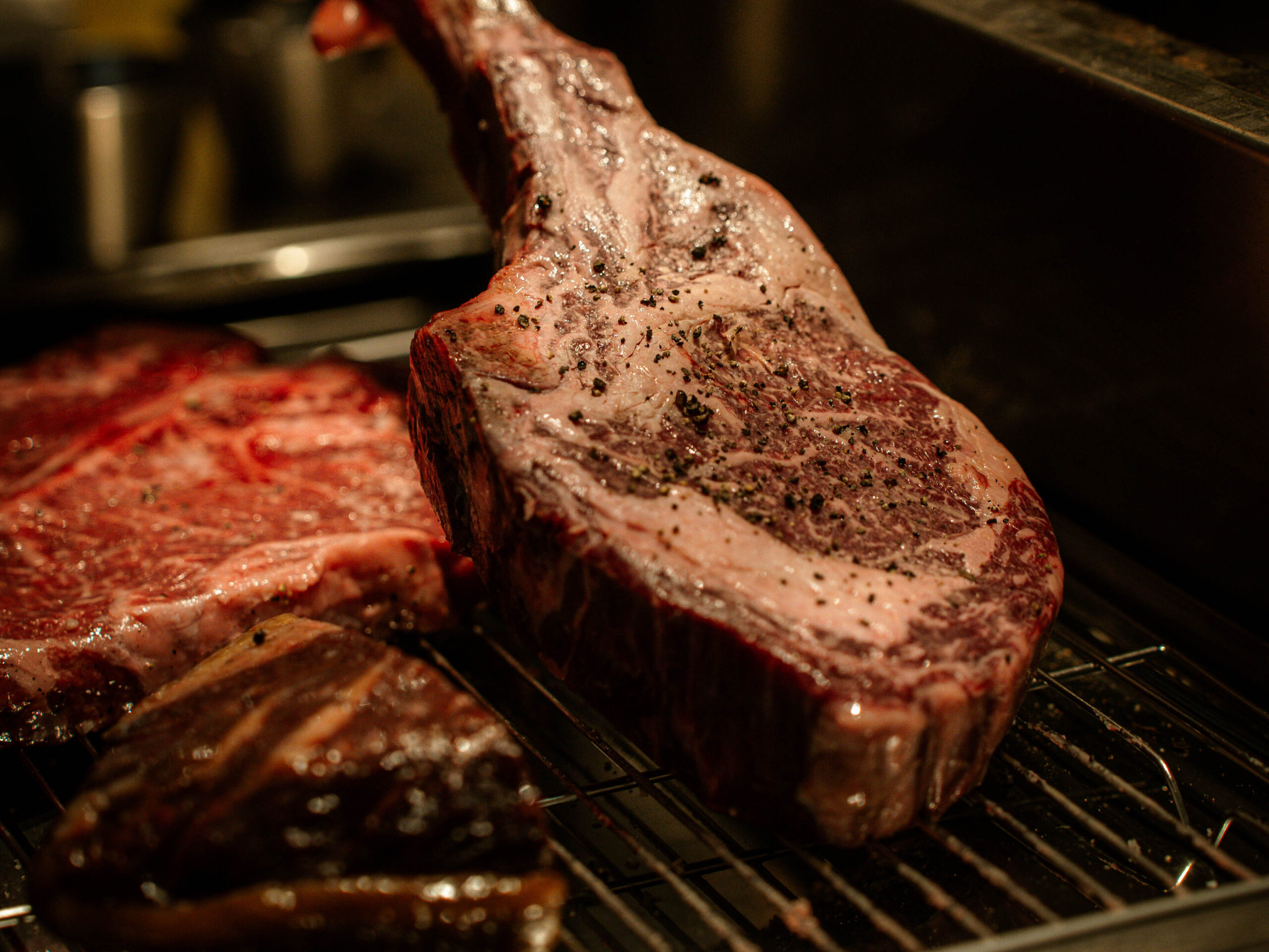
From Rare to Well Done
Ordering a steak should be simple, but terms such as rare, medium rare and medium do not always mean exactly the same thing to everyone.
The difference between the level of doneness of a steak is more than colour. Internal temperature changes the texture of the meat, how its fat renders, how much moisture it retains and ultimately how the steak tastes.
Understanding those differences makes it easier to choose a cooking level that suits both your preference and the particular cut in front of you.
At SALTLICK, steak is at the centre of the kitchen. Premium beef, dry ageing and cooking over live fire all contribute to the finished result, but temperature remains one of the most important elements. A few degrees can make a noticeable difference.
Here is a practical guide to understanding steak cooking levels and finding the one that works for you.
Why Steak Temperature Matters
When beef is exposed to heat, a series of physical changes begins inside the meat.
Proteins tighten, fat starts to render and moisture gradually moves through the muscle fibres. As the internal temperature increases, these changes become more pronounced.
This is why a rare steak feels markedly different from one cooked medium or well done.
Temperature affects four key characteristics: texture, juiciness, flavour and fat rendering.
A lower internal temperature generally preserves more moisture and produces a softer texture. As the temperature rises, the meat becomes firmer and more of its fat renders.
Neither end of the scale is automatically right or wrong. The aim is to understand how the cooking level interacts with the cut.
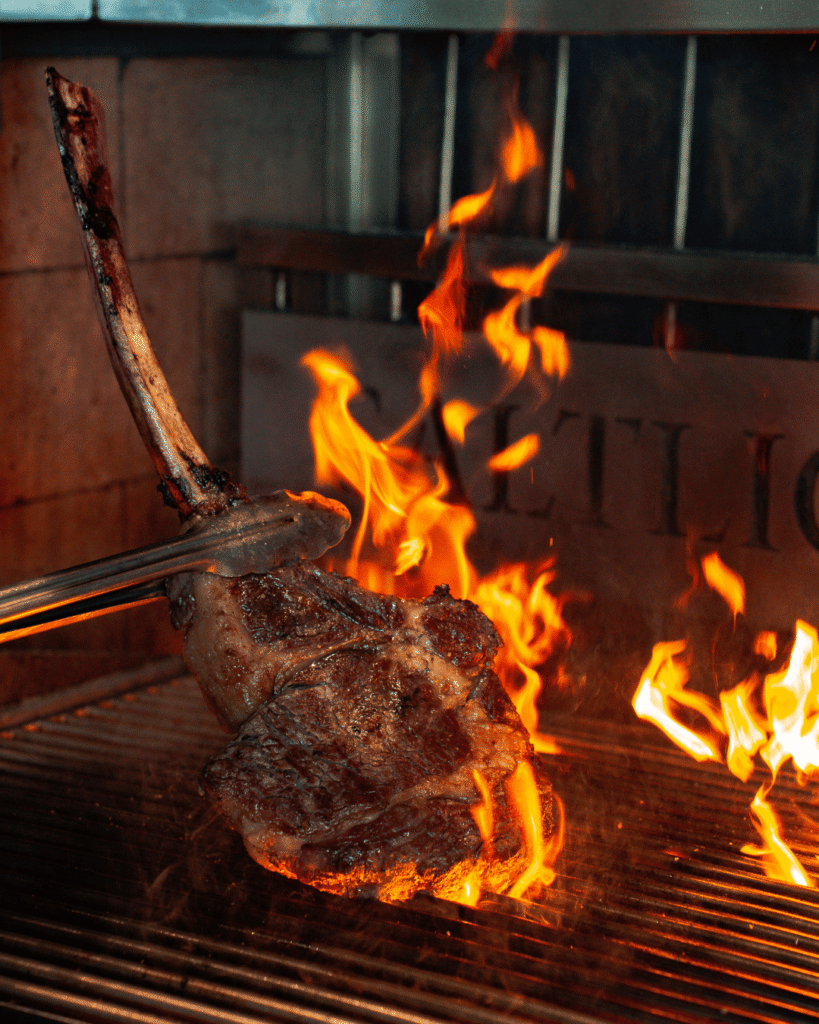
5 Levels of Steak Doneness
Internal temperatures can vary slightly between kitchens, particularly because a steak continues to cook while resting. As a general guide on steak cooking levels, the following ranges provide a useful reference:
1. Rare: Soft, Red and Delicate
Rare steak is cooked quickly over intense heat, allowing the exterior to develop a crust while leaving the centre deep red.
At approximately 49–52°C, the interior remains very soft and retains a high level of moisture.
Rare works particularly well for diners who enjoy the natural texture and flavour of beef with minimal transformation from heat.
However, it is worth considering the cut. Highly marbled steaks may not always show their full potential when cooked very rare because some of the intramuscular fat has not had enough time to render.
At SALTLICK, the cooking level can therefore be considered alongside the characteristics of the individual steak rather than simply treated as a universal preference.
2. Medium Rare: The Classic Steakhouse Choice
Medium rare is perhaps the cooking level most closely associated with steakhouse dining.
At around 54–57°C, the centre is warm and red to pink, while the exterior has had enough exposure to heat to develop a deeply caramelised crust.
The appeal lies in balance.
The meat remains tender and juicy, while more of the fat begins to soften and render. This is particularly effective with cuts that contain moderate marbling.
For many steaks served at SALTLICK, medium rare provides a useful balance between the flavour developed over woodfire and the natural texture of the beef.
It is not necessarily the “correct” way to eat steak, but it is a versatile starting point if you are unsure which cooking level to choose.
3. Medium: More Rendering, Firmer Texture
At approximately 60–63°C, steak enters medium territory.
The centre remains pink, but the meat becomes noticeably firmer. More intramuscular fat has rendered, which can be particularly beneficial for richer cuts.
This is an important distinction because tenderness is not determined solely by keeping a steak as rare as possible.
With heavily marbled beef, slightly more heat can sometimes improve the experience by allowing the fat to soften properly. The resulting steak may feel richer and more integrated even though the muscle itself has become slightly firmer.
For certain marbled cuts at SALTLICK, medium can therefore be an excellent choice, particularly for diners who value rendered fat and a more developed grilled flavour.
4. Medium Well: Less Pink, More Structure
Medium well steak reaches approximately 65–68°C internally.
At this stage, only a small amount of pink remains in the centre. The texture becomes significantly firmer and moisture levels begin to decrease.
For diners who prefer their beef thoroughly cooked but still want some juiciness, medium well provides a middle ground.
Careful fire management becomes particularly important here. The steak needs enough time to reach its internal temperature without allowing the exterior to become overly charred or dry.
Thicker cuts generally provide more flexibility because their size allows the chef greater control over the relationship between the crust and the centre.
5. Well Done: Fully Cooked Throughout
At 71°C and above, steak is considered well done.
The centre contains little to no pink and the texture is firm throughout.
Well-done steak is sometimes dismissed by steak enthusiasts, but personal preference should always come first. The challenge for the kitchen is simply to cook the steak thoroughly while retaining as much moisture as possible.
This is where ingredient quality, cut selection and controlled heat become particularly important.
Rather than exposing the steak continuously to extreme heat, careful management of the fire can help achieve a fully cooked centre without unnecessarily drying the exterior.
Why the Cut Changes the Recommendation
Cooking temperature should never be considered entirely separately from the cut.
Different muscles contain different amounts of fat, connective tissue and natural tenderness.
A tenderloin, for example, is exceptionally lean and tender. Because there is relatively little intramuscular fat to render, lower cooking temperatures can preserve its delicate texture.
Ribeye is different. Its generous marbling benefits from enough heat to soften and render the fat.
Striploin sits somewhere between the two, combining a firmer structure with moderate richness.
Then there are large-format steaks such as porterhouse and T-bone, which contain more than one muscle. A porterhouse combines tenderloin and striploin on either side of the bone, meaning two different textures must be cooked simultaneously.
At SALTLICK, this is one reason large sharing steaks require careful management over the fire.
Why Resting Changes the Final Temperature
A steak does not stop cooking the moment it leaves the grill.
Residual heat continues moving towards the centre during resting, causing the internal temperature to rise slightly. This is often called carryover cooking.
For this reason, chefs usually remove a steak from the heat shortly before it reaches its intended final temperature.
Resting also gives moisture within the steak time to redistribute. Cutting immediately can cause more liquid to escape onto the plate rather than remaining within the meat.
For large steaks, the resting period can be particularly important.
At SALTLICK, resting is treated as part of the cooking process rather than simply the period between the grill and the table.
Fire Adds Another Dimension
Temperature determines what happens inside the steak. Fire shapes much of what happens outside it.
Intense heat triggers the Maillard reaction, creating the deeply savoury crust associated with a properly grilled steak.
Woodfire introduces another layer through smoke, flame and the interaction between rendered fat and hot embers.
The objective is contrast: a caramelised exterior surrounding a centre cooked precisely to the guest’s preference.
At SALTLICK, live-fire cooking allows the grill team to work across different heat zones, adjusting each steak according to its size, marbling and desired cooking level.
So, Which Steak Cooking Level Should You Choose?
There is no single perfect temperature for every steak or every diner.
As a broad guide, rare emphasises softness and the natural character of the beef.
Medium rare provides a balance of tenderness, juiciness and light fat rendering.
Medium develops more richness from marbling while producing a firmer texture.
Medium well and well done provide progressively greater firmness and less pink.
The cut matters too.
A lean tenderloin may suit a lower temperature, while a heavily marbled ribeye can benefit from slightly more heat. Large bone-in steaks introduce another level of complexity because thickness and multiple muscles influence how heat travels through the beef.
The best approach is therefore not to follow a rule blindly, but to consider both how you like your steak and what you are ordering.
When dining at SALTLICK, the team can guide guests through the cuts and cooking levels if they would like a recommendation.
Frequently Asked Question
What is the best temperature for medium-rare steak?
Medium-rare generally finishes at 54–57°C, giving the steak a warm red-to-pink centre with a tender, juicy texture.
Is rare always the most tender way to cook steak?
Not necessarily, as highly marbled cuts may benefit from slightly more heat to properly render their intramuscular fat.
Should Wagyu be cooked rare?
Not always, as Wagyu’s rich marbling can benefit from slightly higher temperatures to render the fat and enhance its characteristic texture.
Why does steak continue cooking after leaving the grill?
Residual heat continues moving through the meat while it rests, causing the internal temperature to rise slightly through carryover cooking.
What cooking level should I order at SALTLICK?
It depends on your preference and the cut, and the SALTLICK team can recommend the ideal level based on the steak’s thickness, marbling and characteristics.
Reserve your table via the links below and enjoy Bali’s best dry-aged steaks.
FOLLOW US:
Stay updated on our latest news, special events, and exclusive offers by following us on social media.
Connect with us on Instagram and stay closer to SALTLICK.
