

The Art of Dining Well
People often remember how a restaurant made them feel long after they remember the details of the meal itself.
A perfectly cooked dish matters, of course. So does thoughtful service and good wine. Yet the overall atmosphere of a restaurant is what ultimately shapes the experience. It influences whether guests relax, linger, celebrate, return, or recommend the restaurant to others.
The best restaurant atmospheres are rarely accidental. They are carefully balanced combinations of lighting, sound, space, pacing, hospitality and emotion. Great restaurants understand that dining is not only about food; it is about creating an environment where people genuinely want to spend time.
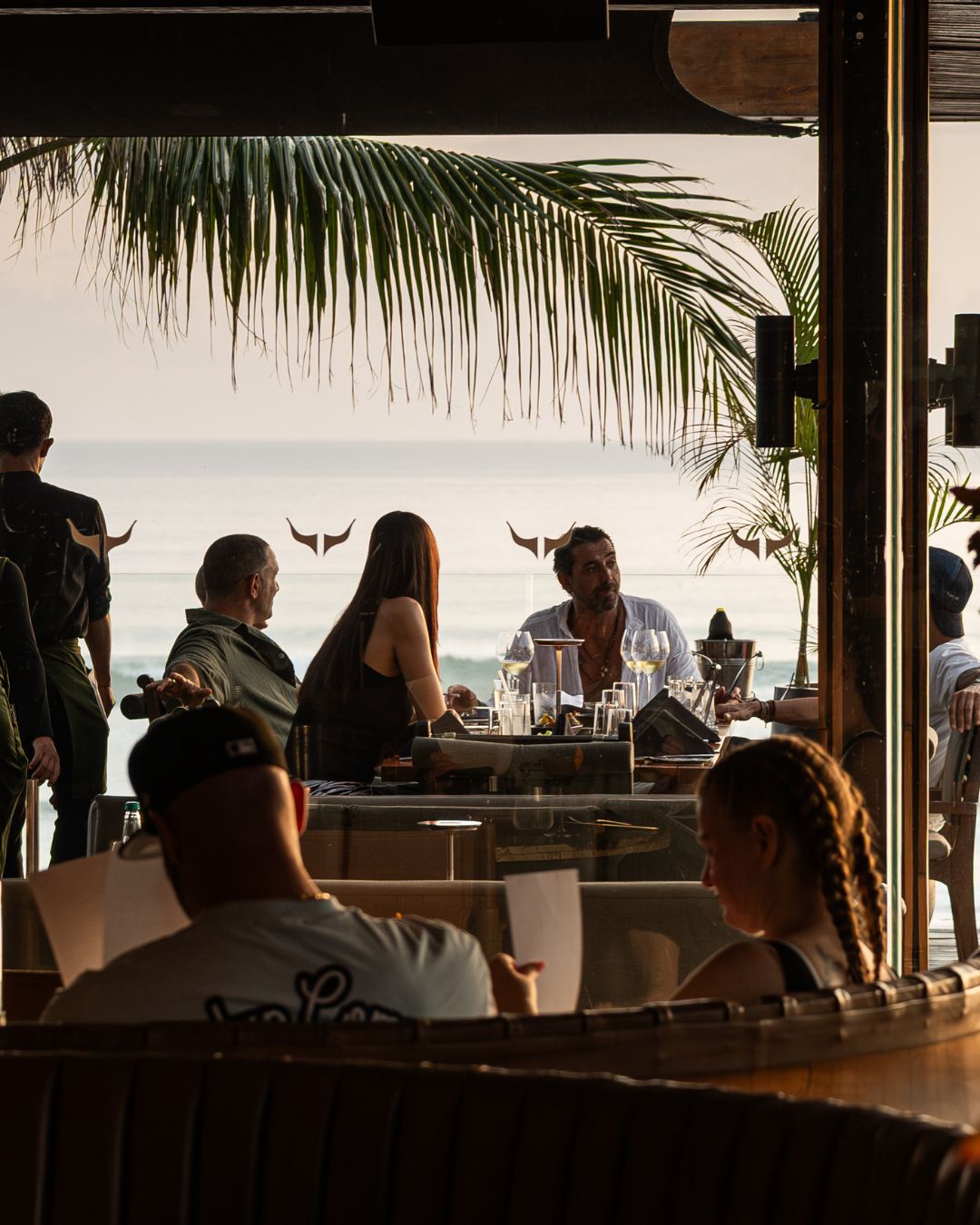
This is particularly true in modern hospitality, where guests increasingly seek experiences rather than simply meals. Restaurants such as SALTLICK demonstrate how atmosphere can become inseparable from the food itself, blending woodfire cooking, ocean views and relaxed energy into a cohesive dining experience.
Understanding what makes a great restaurant atmosphere reveals why certain places stay memorable long after dinner ends.
Atmosphere Begins Before the Food Arrives
The experience of a restaurant starts long before the first course reaches the table.
Guests form impressions immediately through subtle details:
- the lighting at the entrance
- the music playing in the background
- the scent of the room
- the greeting from the staff
- the pace and energy of the space
These elements establish emotional expectations before menus are even opened.
A restaurant with harsh lighting, uncomfortable acoustics or rushed service can undermine excellent food. Conversely, a thoughtfully designed atmosphere can make even simple dishes feel more enjoyable.
At SALTLICK, for example, the transition from sunset drinks into evening dining is part of the experience itself. The gradual change in lighting, music and energy creates a rhythm that naturally prepares guests for dinner.
Lighting Shapes Mood More Than People Realise
Lighting is one of the most influential aspects of restaurant atmosphere.
Bright lighting often creates energy and efficiency, which works well for casual cafés and daytime venues. Softer lighting, however, encourages guests to relax and stay longer. It creates intimacy, warmth and a sense of comfort.
The best restaurants use lighting strategically:
- softer tones in the evening
- warmer colour temperatures
- subtle spotlighting on tables
- indirect ambient light
Good lighting also flatters food and people alike. It enhances the visual appeal of dishes while making the room feel inviting rather than clinical.
Steakhouses and woodfire restaurants particularly benefit from warm lighting because it complements the tones of grilled food, wood and natural materials. At SALTLICK, evening lighting works alongside the glow of the open grill and sunset backdrop to create a calm, layered atmosphere.
Music Controls Energy and Pace
Music is another invisible but powerful component of atmosphere.
The wrong soundtrack can disrupt a dining experience immediately. Music that is too loud prevents conversation, while music that feels disconnected from the venue can make the environment feel artificial.
The best restaurant music feels intentional but unobtrusive.
Different styles influence the mood in different ways:
- jazz creates sophistication and warmth
- downtempo electronic music feels modern and relaxed
- acoustic music can feel intimate and informal
- upbeat playlists increase energy and pace
Restaurants often adjust music throughout the evening as the atmosphere evolves.
At SALTLICK, the soundtrack tends to mirror the restaurant’s overall tone: relaxed coastal energy during sunset transitioning into deeper, more atmospheric sounds later in the evening.
Service Defines the Emotional Experience
Food may attract guests initially, but service often determines whether they return.
Great hospitality is not necessarily formal. The best service feels attentive without becoming intrusive. Guests should feel looked after without feeling observed.
Excellent restaurant service usually includes:
- genuine warmth
- confidence without arrogance
- awareness of pacing
- strong product knowledge
- the ability to read the table
One of the most overlooked aspects of service is timing. Guests should never feel rushed, but they also should not feel forgotten.
At restaurants like SALTLICK, where many diners arrive for sunset and continue into dinner, pacing becomes especially important. The meal should unfold naturally, allowing guests to settle into the evening rather than move through it too quickly.
Space and Layout Matter
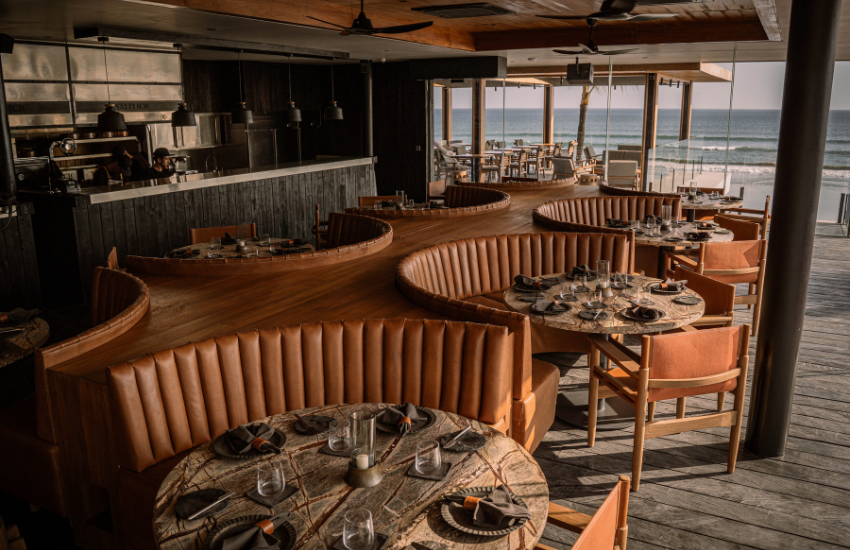
A restaurant’s physical layout strongly affects how comfortable it feels.
Tables placed too closely together can create noise and tension, while overly large empty spaces can make a room feel cold or lacking energy.
The best dining rooms balance:
- intimacy
- movement
- privacy
- atmosphere
Open kitchens and visible grills can also contribute positively when integrated carefully. Seeing chefs working over fire or hearing the subtle sounds of cooking can add authenticity and energy to the room.
At SALTLICK, the open-fire cooking element contributes to the atmosphere naturally, reinforcing the restaurant’s focus on woodfire grilling and ingredient-led dining.
Scent and Sound Are Subtle but Powerful
Some of the strongest atmospheric details are the ones guests barely notice consciously.
The aroma of fresh bread, charcoal smoke or citrus from cocktails can become deeply associated with a restaurant experience.
Likewise, acoustics are often overlooked. Restaurants that absorb sound effectively allow conversation to remain comfortable even when the venue is busy.
A good atmosphere should feel lively but never overwhelming.
Woodfire restaurants such as SALTLICK benefit particularly from aroma. The scent of grilled steak and smoke drifting through the room becomes part of the sensory experience itself.
The Best Atmospheres Feel Natural
One of the defining qualities of a great restaurant atmosphere is authenticity.
Guests can usually sense when a restaurant is trying too hard to appear fashionable or luxurious. Over-designed spaces often lose warmth and personality.
The most memorable restaurants feel effortless, even when every detail has been carefully considered.
This balance is difficult to achieve. It requires consistency between:
- food
- music
- lighting
- design
- staff behaviour
- pacing
When all these elements align, the atmosphere feels cohesive rather than constructed.
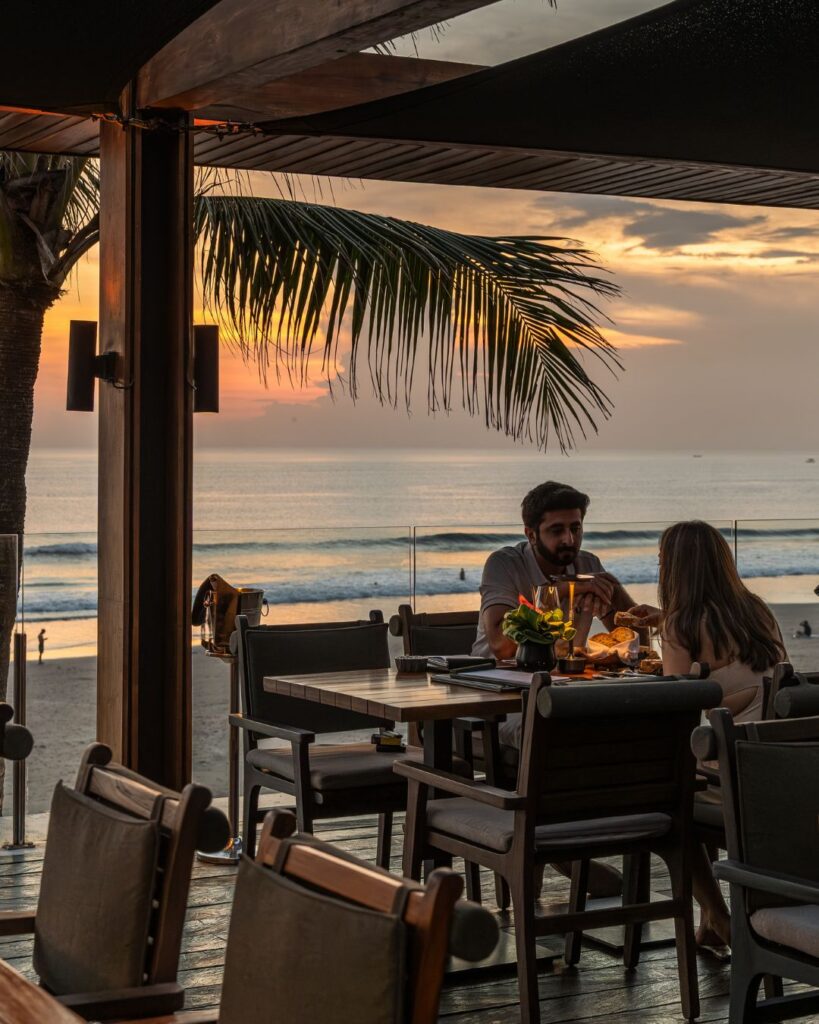
At SALTLICK, the relaxed coastal setting, woodfire cooking and understated approach to hospitality work together naturally rather than competing for attention.
Atmosphere Changes Throughout the Day
Great restaurants often evolve over the course of an evening.
A venue may begin calmly during sunset, become more energetic during peak dinner service, then settle into a slower rhythm later at night.
Restaurants that understand these transitions tend to feel more alive and dynamic.
Lighting softens, music deepens, service pacing changes slightly and the atmosphere becomes more intimate as the evening progresses.
This evolution is particularly noticeable in destinations like Bali, where sunset dining plays a central role in hospitality culture. Restaurants such as SALTLICK often build their atmosphere around this natural progression from daylight into evening.
Why Atmosphere Matters More Than Ever
Modern diners increasingly value experience alongside food quality.
Excellent cooking alone is no longer enough to create loyalty. Guests are searching for places that feel emotionally engaging and memorable.
A strong atmosphere encourages:
- longer dining times
- repeat visits
- celebrations and group dining
- recommendations to friends
- emotional connection with the venue
This shift explains why many successful restaurants focus as heavily on hospitality and atmosphere as they do on cuisine itself.
At SALTLICK, the atmosphere supports the broader experience of dining over woodfire by the ocean rather than existing separately from it.
The Relationship Between Food and Atmosphere
Food and atmosphere should enhance one another.
A beautifully cooked steak feels even more satisfying when served in a comfortable, warm environment. Likewise, a great atmosphere becomes more meaningful when supported by thoughtful food and service.
The best restaurants understand that these elements are interconnected rather than separate.
At venues like SALTLICK, where the focus remains on fire, flavour and hospitality, atmosphere becomes part of the storytelling of the restaurant itself.
Guests may arrive initially for the steak or the sunset, but what they often remember most is how the entire evening felt.
The best restaurant atmospheres are rarely built around a single feature. They emerge through the careful balance of space, sound, light, food and hospitality.
When these elements work together naturally, a restaurant becomes more than simply a place to eat. It becomes a place people want to return to, celebrate in and remember long after the evening ends.
Frequently Asked Question
What creates a good restaurant atmosphere?
A strong restaurant atmosphere usually combines lighting, music, service, layout and pacing in a way that feels cohesive and comfortable.
Why is atmosphere important in restaurants?
Atmosphere shapes the emotional experience of dining and often influences whether guests return or recommend the restaurant.
Does music affect restaurant experience?
Yes. Music influences mood, energy and pacing, helping create either a relaxed or lively dining environment.
Why do steakhouses often use warm lighting?
Warm lighting complements wood, fire and grilled food while creating a more relaxed and intimate atmosphere.
Where can you experience atmospheric sunset dining in Bali?
Restaurants such as SALTLICK in Seminyak combine ocean views, woodfire cooking and relaxed hospitality to create a memorable dining atmosphere.
Reserve your table via the links below and enjoy Bali’s best dry-aged steaks.
FOLLOW US:
Stay updated on our latest news, special events, and exclusive offers by following us on social media.
Connect with us on Instagram and stay closer to SALTLICK.
