

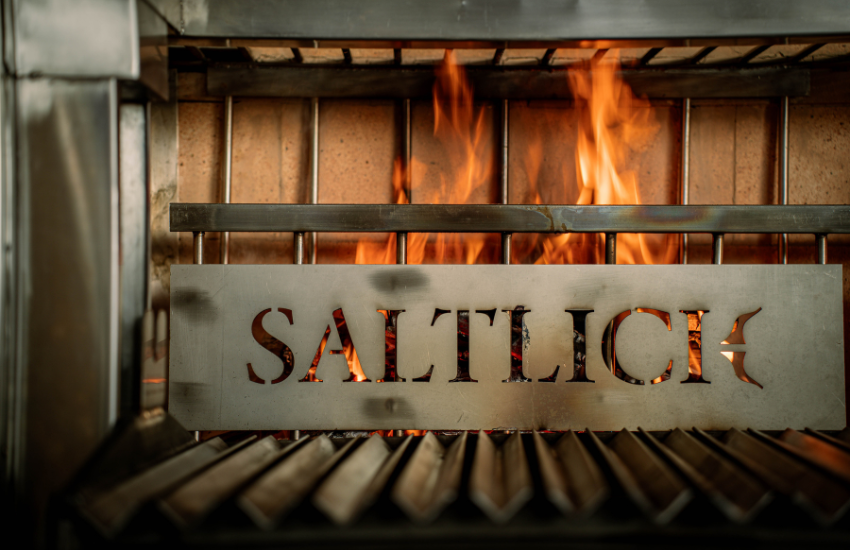
The Art of Open Fire
Discover how cooking over fire transforms texture, flavour and aroma, from the development of a deep crust to the influence of smoke, heat and resting.
At first glance, the process appears simple: place an ingredient over heat and cook it until it is ready. In practice, fire introduces a complex combination of direct heat, radiant energy, smoke, airflow and moisture loss. Each of these elements changes the way food tastes, smells and feels.
This is especially important when cooking meat. A great steak is not defined only by the quality of the beef or the final internal temperature. The intensity of the heat, the distance from the flame, the cooking surface, the timing and the control of the fire all influence the finished result.
Understanding how fire works helps explain why flame-cooked food can feel so distinctive and why the best results depend on control rather than heat alone.
Fire Is More Than Heat
Many people assume fire simply cooks food faster, but its influence extends far beyond temperature.
Cooking over wood or charcoal creates a constantly changing environment where radiant heat, convection and smoke work together. Unlike flat-top grills or gas burners, live fire introduces subtle variations that contribute to depth of flavour.
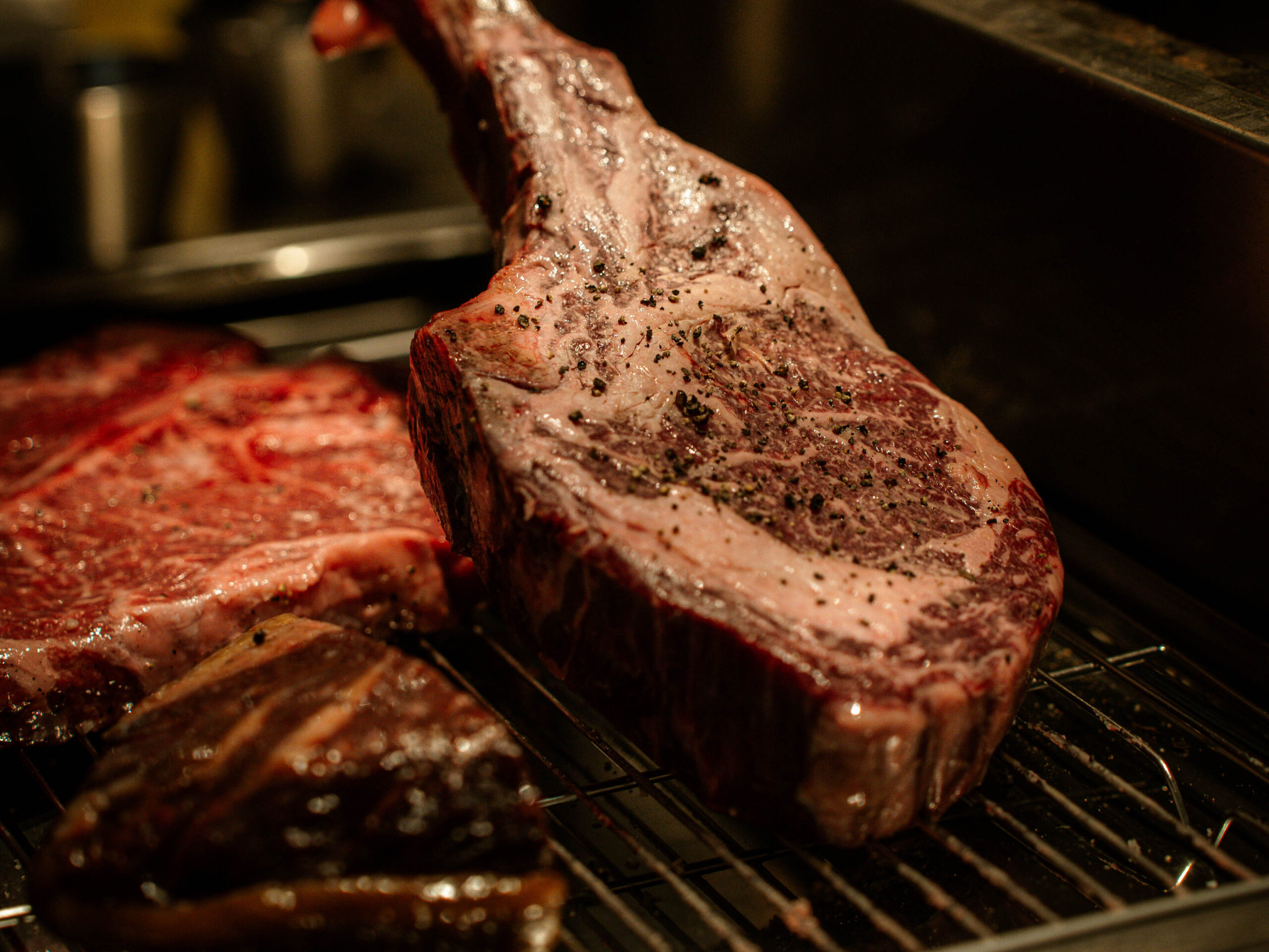
As fat renders from a steak, it drips onto the embers below, creating bursts of aromatic smoke that rise back through the meat. These natural flavours become part of the finished dish, adding layers of complexity that simply cannot be recreated indoors with conventional equipment.
At SALTLICK, this relationship between premium beef and live fire is central to every steak served
Creating the Perfect Crust
One of the first things diners notice about a perfectly grilled steak is the crust.
A beautifully caramelised exterior provides texture, visual appeal and flavour, while protecting the tender interior beneath.
This transformation is driven primarily by the Maillard reaction, a natural process that occurs when proteins and sugars are exposed to high heat. Rather than burning the meat, careful caramelisation develops hundreds of new flavour compounds.
The result is the savoury, nutty and slightly smoky crust that steak lovers value so highly.
Smoke Adds Complexity
Smoke is often misunderstood.
When used carefully, smoke should never overpower the natural flavour of premium beef. Instead, it should add subtle depth and complexity.
Different woods create different aromatic profiles, producing delicate notes that complement rather than dominate the steak.
The goal is balance.
Premium beef already possesses exceptional flavour. Fire simply introduces another dimension, enhancing what is already present instead of masking it.
This restrained approach defines woodfire cooking at SALTLICK, where smoke is used thoughtfully to support the quality of the ingredients.
Heat Creates Contrast
One of the greatest pleasures of eating steak lies in its contrast of textures.
The crisp exterior gives way to a tender, juicy centre. That balance is only possible through careful heat management.
A woodfire grill creates distinct cooking zones, allowing chefs to move steaks between hotter and cooler areas as required.
This flexibility makes it possible to:
- develop an even crust
- preserve moisture
- cook different cuts appropriately
- control internal temperature precisely
At SALTLICK, every steak is positioned and turned according to its thickness, marbling and desired finish, ensuring each cut reaches the table at its best.
Fat and Fire Work Together
Few relationships in cooking are more important than the one between fat and fire.
As marbling slowly melts during cooking, it bastes the meat from within while simultaneously feeding the fire beneath.
Small droplets of rendered fat fall onto the embers, producing aromatic smoke that rises back through the steak.
This continuous interaction creates remarkable depth of flavour.
Highly marbled cuts benefit particularly well from woodfire cooking because the rendered fat contributes richness without becoming greasy.
At SALTLICK, carefully selected premium beef responds beautifully to this style of cooking, allowing natural marbling and live fire to work together in harmony.
Different Cuts Respond Differently
Not every steak behaves the same over fire.
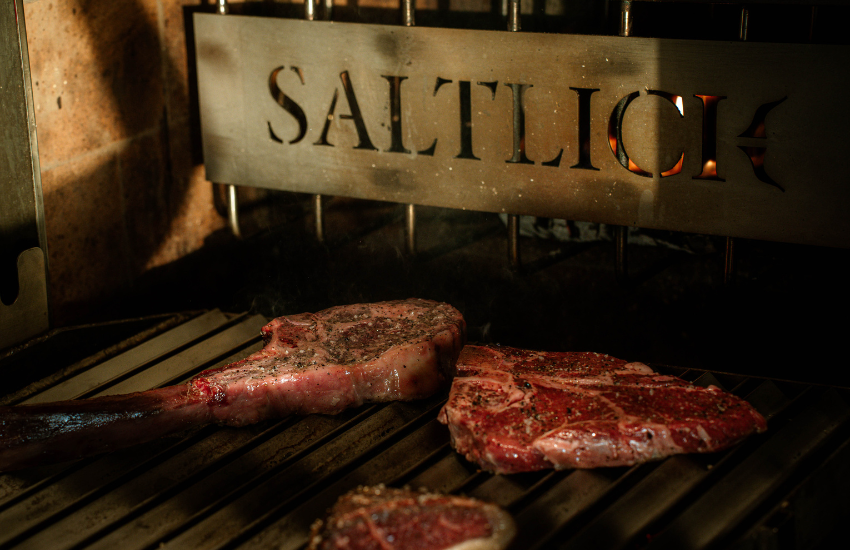
A ribeye, rich in marbling, cooks differently from a lean tenderloin. Large sharing cuts such as porterhouse and tomahawk require careful heat management to ensure even cooking from edge to centre.
Thicker cuts often spend longer over gentler heat before receiving a final burst of intense fire to develop their crust.
Understanding these differences is one of the defining skills of an experienced grill chef.
Fire Enhances Dry-Aged Beef
Dry-aged beef presents another opportunity for fire to demonstrate its strengths.
During dry ageing, moisture gradually evaporates while natural enzymes improve tenderness and concentrate flavour.
These richer, more savoury characteristics pair exceptionally well with woodfire cooking.
The caramelised crust produced over live fire complements the concentrated flavours developed during ageing, creating remarkable depth without requiring excessive seasoning or sauces.
Several of SALTLICK’s signature steaks are dry-aged before being cooked over woodfire, allowing these two traditional techniques to work together naturally.
Simplicity Lets the Ingredients Shine
One of the defining principles of great steak cooking is restraint.
When exceptional beef meets expertly managed fire, very little else is required.
Heavy marinades, excessive spices and complex sauces can often distract from the natural flavour of premium beef.
Instead, many modern steakhouses choose a simpler approach:
- premium ingredients
- careful seasoning
- precise cooking
- proper resting
Fire becomes the finishing element rather than the dominant flavour.
This philosophy guides the kitchen at SALTLICK, where the focus remains firmly on allowing quality beef and woodfire cooking to speak for themselves.
Resting Is Part of Cooking
Although the steak has left the grill, the influence of fire does not end immediately.
Resting is an essential stage that allows heat to redistribute evenly throughout the meat while juices settle back into the muscle fibres.
Without sufficient resting, much of that moisture escapes as soon as the steak is sliced.
The result can be a drier texture despite perfect cooking.
At SALTLICK, resting is treated as an integral part of the cooking process, ensuring every steak reaches the table with the tenderness and juiciness intended by the chef.
Fire Creates an Experience
Beyond flavour and texture, fire contributes something less tangible but equally important: atmosphere.
Watching flames dance beneath a grill, hearing the crackle of wood and smelling smoke drifting through the kitchen all create anticipation.
This sensory connection makes woodfire cooking feel authentic and timeless.
For many guests, the experience begins long before the steak reaches the table.
At SALTLICK, the open-flame kitchen reflects this tradition, adding theatre while remaining focused on craftsmanship rather than spectacle.
At SALTLICK, fire is never used simply for appearance.
It is carefully managed to enhance premium beef, developing texture, flavour and aroma while respecting the quality of every cut.
From dry-aged sharing steaks to expertly grilled individual cuts, the relationship between fire and beef defines much of the dining experience.
It is a reminder that while great steak begins with exceptional ingredients, it is thoughtful cooking over live fire that allows those ingredients to reach their full potential.
Frequently Asked Question
Why does woodfire cooking taste different?
Woodfire cooking combines radiant heat, live flames and aromatic smoke, creating flavours and textures that cannot be achieved through conventional cooking methods.
Does fire make steak more tender?
Fire itself does not tenderise meat, but when used correctly it creates a crisp exterior while preserving moisture and tenderness inside.
What is the Maillard reaction?
The Maillard reaction is the natural browning process that occurs when proteins and sugars are exposed to high heat, creating the rich crust and complex flavours associated with grilled steak.
Why do steakhouses prefer cooking over fire?
Many premium steakhouses choose woodfire because it produces exceptional caramelisation, subtle smokiness and greater depth of flavour.
Where can you experience woodfire steak in Bali?
SALTLICK in Seminyak specialises in premium beef cooked over live fire, combining traditional woodfire techniques with carefully sourced and dry-aged steaks.
Reserve your table via the links below and enjoy Bali’s best dry-aged steaks.
FOLLOW US:
Stay updated on our latest news, special events, and exclusive offers by following us on social media.
Connect with us on Instagram and stay closer to SALTLICK.
