

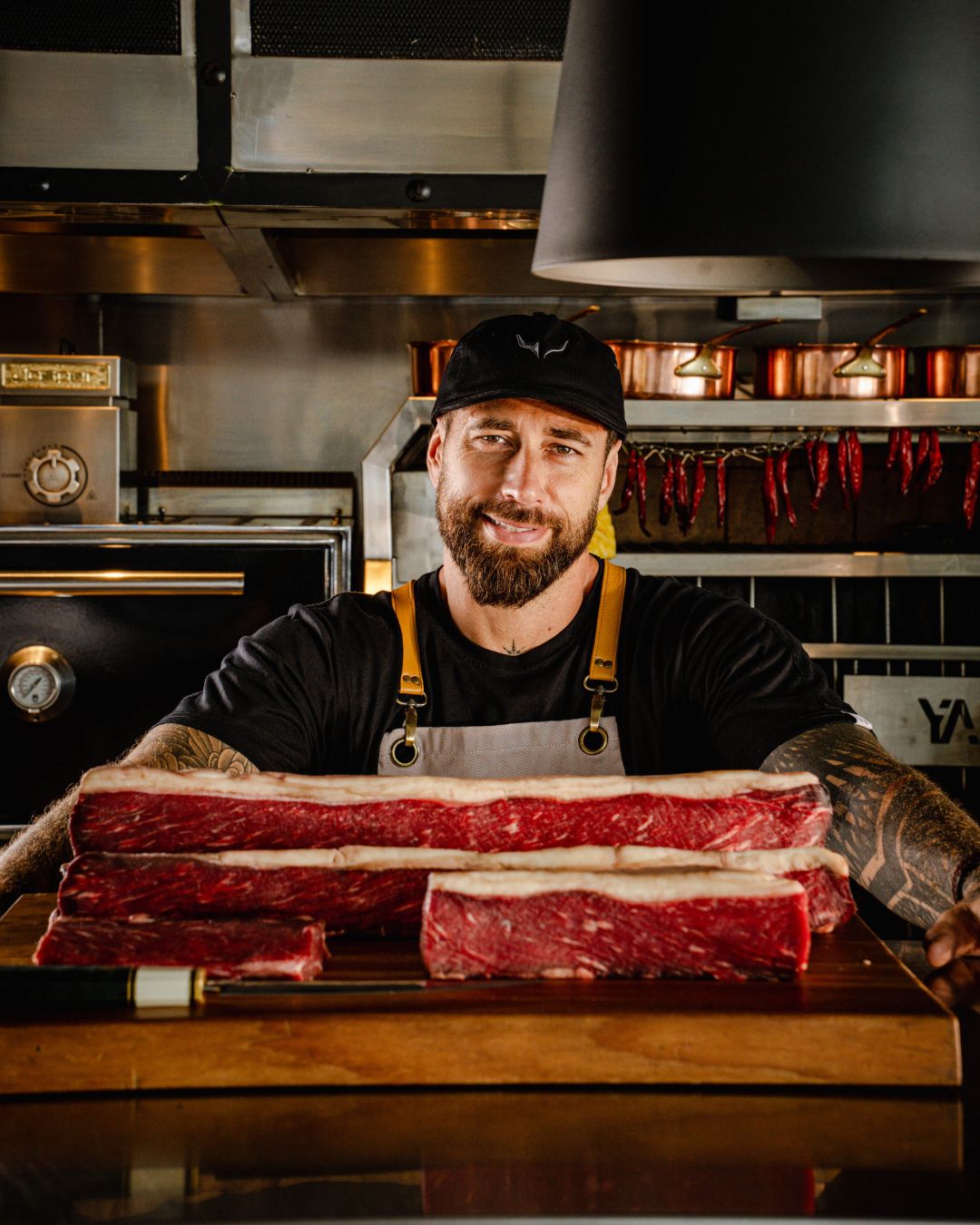
More than Grilling Meat
Cooking steak appears deceptively simple. At its core, the process involves seasoning beef, applying heat and serving it at the correct temperature. Yet anyone who has experienced a truly exceptional steak understands that simplicity alone does not guarantee excellence.
The difference between an average steak and a memorable one often comes down to the chef behind the grill. A great steak chef combines technical precision with restraint, understanding that the role is not to overpower the ingredient but to reveal its best qualities.
At restaurants such as SALTLICK, where woodfire cooking forms the foundation of the kitchen, these qualities become especially important. Cooking over flame leaves little room for error, meaning the chef’s understanding of fire and beef must work together seamlessly.
So what exactly makes a great steak chef?
Respect for Ingredient Quality
One of the defining traits of a skilled steak chef is restraint.
High-quality beef does not require excessive manipulation. Great steak chefs understand that seasoning, smoke and heat should support the meat rather than dominate it.
This philosophy is especially important in modern steakhouse cooking, where ingredient-led dining has become increasingly valued.
Simplicity as Skill
Many inexperienced cooks attempt to improve steak through marinades, heavy spice blends or unnecessary sauces. Skilled steak chefs often take the opposite approach:
- minimal seasoning
- careful ageing
- precise cooking
- thoughtful resting
The confidence to simplify is usually a sign of experience.
At SALTLICK, this approach is reflected through woodfire cooking that focuses on enhancing the natural flavour of the beef rather than masking it.
Mastering Fire and Heat Control
Perhaps the most important skill of a steak chef is understanding heat.
Steak relies on high temperatures to create the Maillard reaction, the browning process responsible for the rich crust and savoury flavour associated with great steak.
Yet controlling heat becomes significantly more complex when cooking over live fire.
Fire Is Constantly Changing
Unlike gas or induction cooking, woodfire and charcoal cooking are dynamic. Temperatures fluctuate continuously depending on:
- airflow
- fuel type
- ember placement
- fat dripping onto flames
A great steak chef learns to read the fire instinctively.
Heat Zones
Experienced chefs create different cooking zones across the grill:
- intense direct heat for searing
- moderate heat for controlled cooking
- cooler areas for resting or finishing
This ability to move steak through varying temperatures is one of the hallmarks of professional woodfire cooking.
At SALTLICK, where steaks are cooked over charcoal and flame, fire management plays a central role in how the kitchen operates.
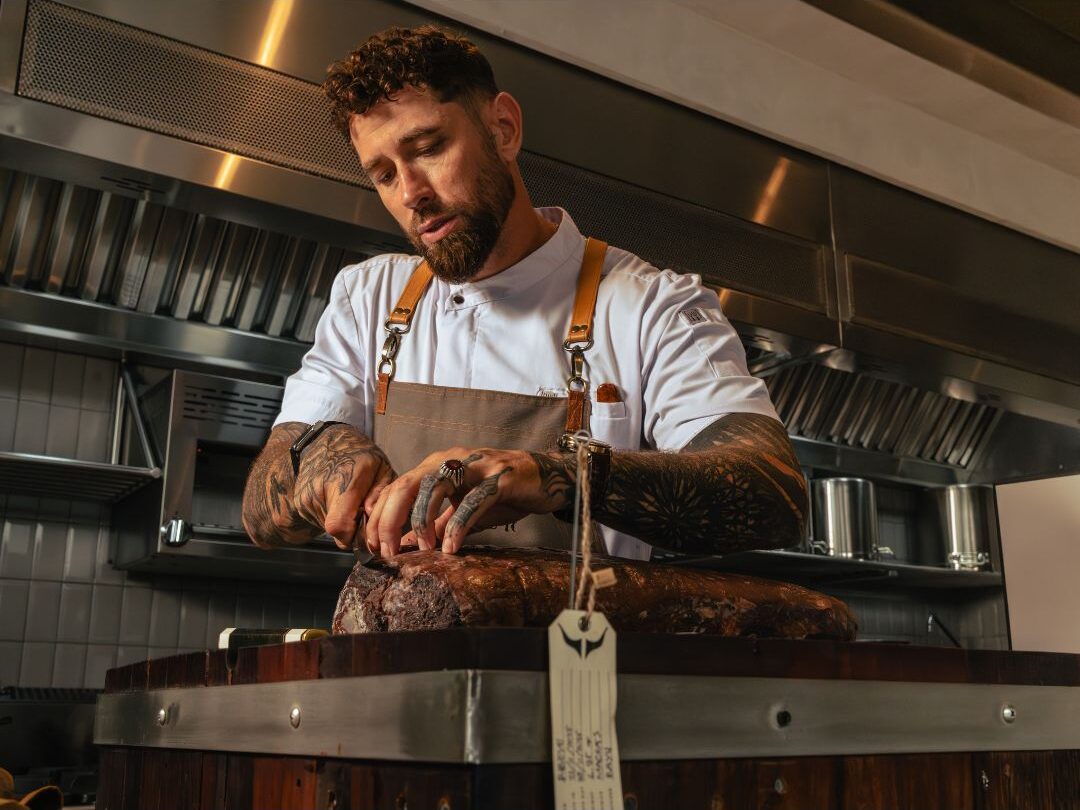
Timing and Patience
Steak cooking is often a matter of seconds rather than minutes.
A great steak chef develops strong intuition around timing, not only knowing how long to cook a steak, but understanding how variables such as thickness, bone structure and fat content influence the process.
Knowing When Not to Interfere
Patience is essential.
One of the most common mistakes inexperienced cooks make is moving steak too frequently or cutting into it too early. Great steak chefs understand that allowing the crust to develop naturally is critical for both texture and flavour.
Resting the Steak
Resting is another area where discipline matters. Once removed from the grill, steak continues to cook slightly while the juices redistribute through the meat.
Failing to rest steak properly can undo otherwise excellent cooking.
At SALTLICK, steaks are rested carefully before serving to preserve texture and moisture.
Consistency Under Pressure
Cooking a single steak well at home is very different from cooking dozens during a busy dinner service.
Professional steak chefs must maintain consistency regardless of pressure, volume or distractions.
This includes:
- accurate cooking temperatures
- repeatable seasoning
- precise slicing
- consistent presentation
Consistency is often what separates respected steak restaurants from average ones.
Guests return because they trust that the steak will meet the same standard every time.
At SALTLICK, maintaining this consistency is particularly important because woodfire cooking introduces natural variability that requires constant attention from the grill team.
Butchery Knowledge
Great steak chefs often possess strong butchery skills or at least a deep understanding of meat preparation.
Knowing how beef is broken down allows chefs to:
- understand grain direction
- identify ideal thickness
- trim correctly
- portion consistently
This knowledge also helps chefs recognise quality when selecting beef from suppliers.
Bone-In Cuts
Bone-in steaks such as porterhouse and tomahawk require particular expertise. Bones influence cooking speed and flavour development, meaning these cuts demand more attention on the grill.
At SALTLICK, where dry-aged and bone-in steaks feature prominently, understanding these nuances is essential to achieving balanced cooking.
Fat and Smoke Interaction
As fat drips onto embers, aromatic smoke rises back towards the steak. Managing this interaction carefully helps create depth of flavour without bitterness.
Too much smoke can become harsh. Too little may leave the steak lacking character.
At SALTLICK, the balance between flame, smoke and beef is part of what defines the restaurant’s cooking style.
Calmness and Focus
The best steak chefs often share a similar temperament: calm, observant and methodical.
Cooking over high heat in a busy service environment requires concentration. Fire moves quickly, and mistakes cannot easily be reversed.
Great steak chefs remain composed under pressure, allowing them to make precise decisions even during peak service.
This calmness often influences the wider kitchen culture as well, creating an environment where precision becomes habitual rather than rushed.
Hospitality Matters Too
Technical ability alone does not make a complete steak chef.
Great chefs also understand the role steak plays in the overall dining experience. Steak dinners are often associated with celebration, family gatherings or important occasions.
The chef therefore contributes not only to the food itself but to the atmosphere and memory surrounding the meal.
At restaurants such as SALTLICK, where dining often transitions from sunset drinks into shared steak dinners, this sense of hospitality is closely tied to the cooking itself.
The Balance Between Tradition and Evolution
Modern steak chefs also balance tradition with innovation.
Classic techniques remain fundamental:
- dry ageing
- woodfire grilling
- simple seasoning
- careful resting
Yet today’s chefs are also exploring:
- new cuts
- alternative ageing methods
- refined smoke control
- modern presentation styles
The best steak chefs evolve thoughtfully without losing sight of what makes steak compelling in the first place.
Frequently Asked Question
What skills does a steak chef need?
A great steak chef requires strong understanding of beef, heat control, timing, seasoning and fire management.
Why is fire control important when cooking steak?
Different heat levels affect crust formation, fat rendering and internal temperature. Managing fire properly ensures balanced cooking.
Do great steak chefs use complicated seasoning?
Usually not. Most skilled steak chefs focus on high-quality beef and simple seasoning that enhances rather than masks flavour.
Why is resting steak important?
Resting allows juices to redistribute through the meat, improving tenderness and preventing moisture loss when sliced.
Where can you experience woodfire steak cooking in Bali?
Restaurants such as SALTLICK in Seminyak specialise in premium steak cooked over woodfire and charcoal.
Reserve your table via the links below and enjoy Bali’s best dry-aged steaks.
FOLLOW US:
Stay updated on our latest news, special events, and exclusive offers by following us on social media.
Connect with us on Instagram and stay closer to SALTLICK.
