


Great Steak Doesn’t Need Much
Steak is one of the most respected dishes in culinary tradition. Around the world, chefs and home cooks continue to pursue the same goal: cooking a piece of beef so that its natural flavour can be enjoyed at its best.
Interestingly, the secret to a great steak is rarely complexity. The most memorable steaks are often the simplest ones, carefully sourced beef, seasoned lightly, and cooked over heat with precision.
In an era where modern gastronomy sometimes leans towards elaborate techniques and ingredients, steak remains a reminder that excellent cooking often relies on restraint. When the quality of the product is high, the role of the cook becomes one of balance rather than embellishment.
At restaurants such as SALTLICK, where woodfire grilling plays a central role, this philosophy of simplicity is clearly reflected in how steak is prepared and presented.
The Foundation of Great Steak: Quality Beef
Before cooking methods or seasoning are considered, the most important element of a steak is the beef itself.
High-quality beef provides natural flavour, tenderness and richness that cannot be created through technique alone. Factors such as breed, diet, ageing and marbling all contribute to the character of the meat.
Marbling
Marbling refers to the small veins of fat distributed throughout the muscle. When the steak cooks, this fat slowly melts, adding moisture and flavour.
Cuts such as ribeye and striploin are prized for their marbling because it enhances both texture and taste.
Ageing
Many premium steaks are dry-aged, allowing enzymes within the meat to break down muscle fibres over time. This process develops deeper flavour and greater tenderness.
Dry ageing is another example of simplicity in action. Instead of adding ingredients, time itself becomes the tool that improves the steak.
Responsible Sourcing
Restaurants that prioritise quality beef often work with trusted suppliers who understand how to raise cattle properly. Ethical farming practices and consistent handling of the meat help ensure that the final steak reflects the best qualities of the animal.
At SALTLICK, where steak is the focus of the dining experience, sourcing high-quality beef is the first step in delivering a memorable dish.
Seasoning: Less Is Often More
Once the steak is selected, seasoning becomes the next consideration. Surprisingly, the most effective seasoning for steak remains remarkably simple: salt and occasionally pepper.
Salt enhances the natural flavour of beef by drawing out moisture and allowing the surface of the meat to develop a caramelised crust during cooking.
The Role of Salt
Salt performs several functions in steak cooking:
- It enhances flavour
- It helps create a crisp crust
- It improves moisture retention when used correctly
Many chefs prefer coarse sea salt or flaky finishing salts applied just before or after cooking.
Avoiding Overcomplication
Marinades and heavy spice blends can sometimes overpower the natural flavour of good beef. While marinades have their place in certain dishes, high-quality steak generally benefits from minimal intervention.
The aim is not to disguise the meat but to allow its inherent qualities to shine.
The Importance of Heat
Cooking steak properly depends largely on the control of heat.
Steak requires high heat to develop the Maillard reaction — the chemical process responsible for the deeply savoury flavours and golden-brown crust that form during cooking.
Woodfire and Charcoal Cooking
Many steakhouses prefer cooking over wood or charcoal because these fuels add subtle smoky aromas that enhance the meat.
Woodfire cooking provides:
- intense heat
- gentle smokiness
- natural caramelisation
These characteristics make woodfire grilling particularly suitable for steak.
At SALTLICK, woodfire grilling plays an important role in the kitchen, allowing steaks to develop the rich crust and smoky depth that diners associate with a classic steakhouse experience
Timing and Technique
Simplicity in steak cooking does not mean lack of skill. On the contrary, cooking steak well requires careful attention to timing and technique.
Several elements determine the final result:
Temperature Control
A properly heated grill or pan ensures that the steak sears quickly without overcooking the interior.
Turning the Steak
Contrary to common belief, turning a steak more than once can actually help achieve even cooking, provided the heat remains consistent.
Resting the Meat
One of the most overlooked steps in steak cooking is resting the meat after it leaves the grill.
Resting allows the juices to redistribute throughout the steak, resulting in a more tender and flavourful bite. Skipping this step often leads to juices running out onto the plate rather than remaining within the meat.
These techniques require patience and attention but do not involve complex ingredients or elaborate processes.
The Role of Fat and Butter
While simplicity remains the guiding principle, certain additions can enhance steak when used thoughtfully.
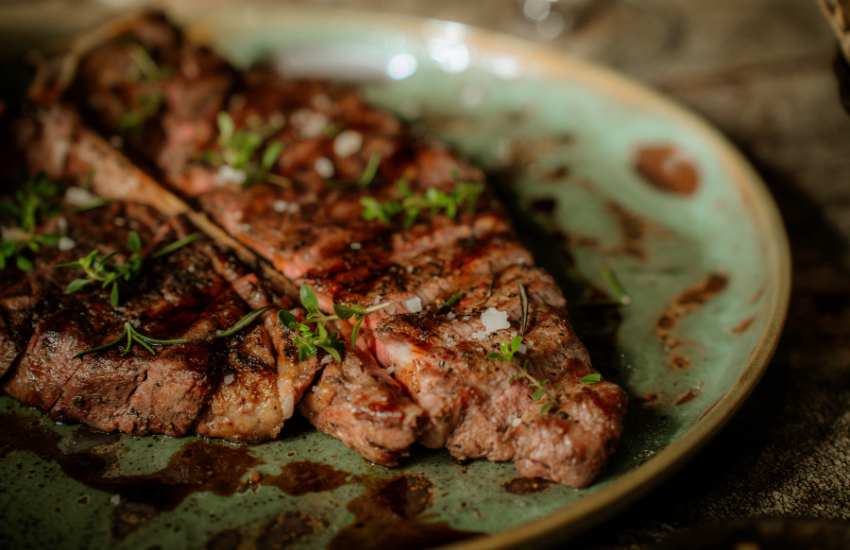
Butter is often used during the final stages of cooking to add richness and help baste the steak. Herbs such as thyme or rosemary may be included for subtle aroma.
The key is moderation. These elements should support the beef rather than dominate it.
When used carefully, butter and herbs contribute depth without distracting from the steak’s natural flavour.
Why Minimalism Enhances Flavour
One of the reasons simplicity works so well with steak is that beef itself contains a remarkable range of natural flavours.
When cooked properly, steak delivers:
- savoury umami
- sweetness from caramelisation
- richness from fat
- smokiness from the grill
Introducing too many additional ingredients risks overwhelming these characteristics.
By keeping preparation straightforward, chefs allow diners to experience the full spectrum of flavour that well-raised beef can provide.
The Dining Experience
Steak is rarely just about the food itself. The atmosphere in which it is served contributes greatly to the overall enjoyment.
Steakhouses around the world share certain characteristics: open grills, the aroma of wood smoke, and a focus on hospitality.
At SALTLICK in Seminyak, guests experience this combination through a menu centred on grilled meats and thoughtful accompaniments. The cooking philosophy remains rooted in simplicity, quality ingredients, skilled grilling and balanced flavours.
This approach allows the steak to remain the centrepiece of the meal rather than competing with unnecessary complexity.
Simplicity and Modern Dining
In recent years, many chefs have returned to the principles of simple cooking.
While culinary innovation continues to evolve, there is growing appreciation for dishes that rely on ingredient quality rather than elaborate technique.
Steak represents one of the clearest examples of this philosophy. When the beef is exceptional and the cooking is precise, the dish requires little else.
This return to simplicity reflects a broader shift in dining culture — one that values authenticity, craftsmanship and respect for ingredients.
Steak remains one of the most celebrated dishes in the culinary world precisely because it demonstrates the power of simplicity.
With high-quality beef, careful seasoning and skilled cooking over heat, a steak can deliver extraordinary flavour without elaborate preparation.
This philosophy continues to guide many modern steakhouses, including SALTLICK, where the emphasis remains on letting the natural qualities of great beef take centre stage.
Frequently Asked Question
Why is simplicity important in steak cooking?
Simplicity allows the natural flavour of high-quality beef to stand out. Overcomplicated seasoning or preparation can mask the qualities that make steak special.
What is the best seasoning for steak?
Salt is the most important seasoning for steak. Pepper is sometimes added, but heavy spice blends are generally unnecessary for high-quality beef.
Why is high heat important for steak?
High heat creates the Maillard reaction, producing the browned crust and rich flavour associated with grilled steak.
Should steak be rested after cooking?
Yes. Resting allows the juices to redistribute throughout the meat, resulting in a more tender and flavourful steak.
Where can you experience woodfire steak in Bali?
Restaurants such as SALTLICK in Seminyak focus on woodfire grilling and quality beef, offering diners a steakhouse experience built around simple, flavour-driven cooking.
Reserve your table via the links below and enjoy Bali’s best dry-aged steaks.
FOLLOW US:
Stay updated on our latest news, special events, and exclusive offers by following us on social media.
Connect with us on Instagram and stay closer to SALTLICK.
