

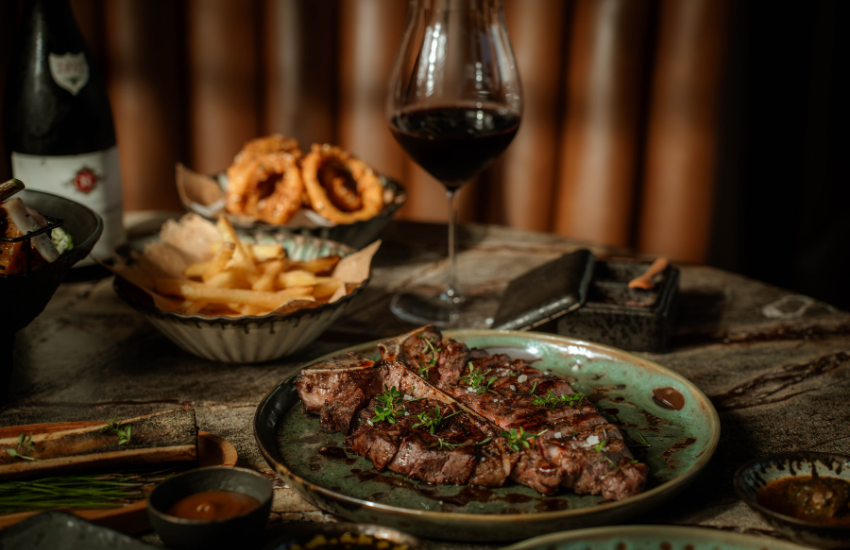
Elevate Your Steak Game
Ordering steak should feel straightforward, yet for many diners it carries a quiet uncertainty. Cuts vary in structure and flavour, doneness levels are often misunderstood, and the way a steak is cooked can change its character entirely. Knowing how to order steak like a pro is less about memorising terminology and more about understanding a few key principles.
Start with the Cut
The first step in ordering steak confidently is choosing the right cut. Different cuts offer different textures, levels of fat and depth of flavour.
Ribeye
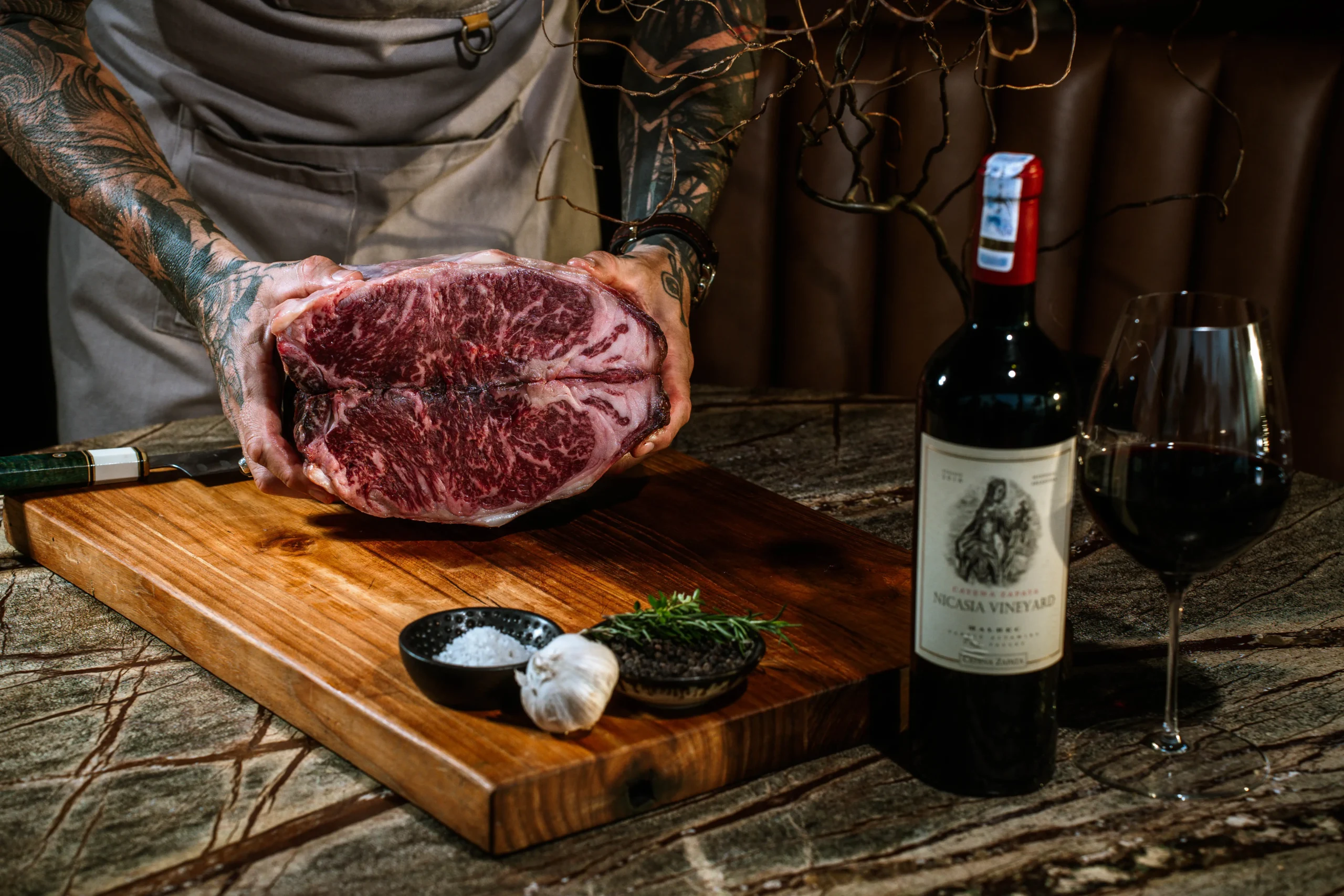
Ribeye is known for its marbling. The intramuscular fat melts during cooking, creating richness and a tender mouthfeel. It is well suited to high-heat wood-fire cooking because the fat bastes the meat naturally
Striploin
Striploin offers a firmer texture with a balanced fat cap. It provides structure and clean beef flavour without excessive richness.
Fillet
Fillet is the leanest and most tender cut. It has a softer texture but less intense flavour compared to ribeye or striploin.
Tomahawk or Bone-In Cuts
Bone-in steaks, such as a tomahawk, retain heat differently and often develop deeper flavour. The bone contributes subtle complexity and helps regulate cooking.
When dining at SALTLICK, where premium beef is dry-aged and cooked over live flame, selecting a cut is about matching texture to preference. Those who appreciate richness often lean towards ribeye; those who prefer structure may choose striploin.
Understand Marbling
Marbling refers to the fine streaks of fat within the muscle. It influences flavour, tenderness and juiciness.
Higher marbling generally produces a more luxurious mouthfeel, especially in Wagyu or grain-fed beef. However, balance is key. Excess fat without structure can feel heavy, while lean cuts without sufficient fat may lack depth.
Knowing how to order steak like a pro means understanding your own preference. Do you enjoy buttery richness, or do you prefer cleaner, firmer texture? The answer guides your choice.
Dry-Aged vs Fresh
Dry-ageing is a controlled process where beef is stored in a temperature- and humidity-controlled environment. Over time, moisture evaporates and flavour concentrates.
Dry-aged steak develops nutty, savoury notes and a more tender structure. It also produces a distinctive aroma when cooked over wood fire.
At SALTLICK, dry-ageing enhances premium cuts without overpowering their natural character. If you are seeking depth and complexity, dry-aged steak is worth considering.
Choosing the Right Doneness
Doneness is often where uncertainty arises. Yet ordering steak confidently simply requires understanding temperature and texture.
Rare
Cool red centre, very soft texture. Suitable for leaner cuts but may not fully render fat in highly marbled beef.
Medium Rare
Warm red centre. Often considered the optimal balance of tenderness, juiciness and flavour.
Medium
Warm pink centre with slightly firmer texture. Fat renders more fully, producing richness.
Medium Well and Well Done
Minimal pink to no pink. Texture becomes firmer and moisture decreases.
For well-marbled steaks, medium rare to medium allows fat to render while preserving tenderness. Leaner cuts may suit medium rare.
When ordering at SALTLICK, where live-fire cooking adds caramelisation and subtle smoke, medium rare often allows both crust and interior to express themselves clearly.
Consider the Cooking Method
Live-fire cooking introduces variables such as flame intensity, ember heat and smoke. These elements influence crust formation and flavour development.
A properly cooked steak should have:
- A well-developed sear
- Even internal temperature
- Rested fibres to retain juices
At SALTLICK, fire is treated as an ingredient. The grill team controls heat rather than chasing it, allowing the steak to develop structure before resting. Ordering with confidence means trusting both the cut and the method.
Sauce or No Sauce?
Many diners wonder whether adding sauce signals inexperience. In reality, sauce is about preference.
A well-cooked steak should stand alone. However, a thoughtfully chosen accompaniment can complement rather than conceal flavour. Peppercorn sauce, jus or bone marrow butter can enhance certain cuts.
The key is moderation. Start without sauce, taste the steak, then decide.
Salt and Seasoning
Salt is fundamental. Proper seasoning enhances natural flavour without overwhelming it.
At SALTLICK, seasoning is applied with intention, allowing fire and fat to create depth. If you enjoy additional salt, add lightly after tasting. Over-seasoning before tasting masks nuance.
Pairing with Wine
Ordering steak like a pro extends to pairing.
Medium- to full-bodied red wines with balanced tannins typically complement steak well. Wines with high acidity can cut through richness, while excessive oak may compete with smoke.
At SALTLICK, pairing often reflects balance: structured reds for dry-aged cuts, elegant wines for Wagyu. The aim is harmony rather than dominance.
Portion and Sharing
Large bone-in cuts such as tomahawk are often designed for sharing. Sharing allows for exploration and conversation, particularly in a relaxed setting like SALTLICK, where sunset transitions naturally into dinner.
Ordering a larger cut for two can create a more communal experience.
Common Mistakes to Avoid
- Choosing well done for highly marbled Wagyu
- Over-saucing before tasting
- Ignoring the importance of resting
- Selecting a cut without considering texture preference
Understanding these small details elevates the experience.
Final Thoughts
Knowing how to order steak like a pro is not about status or terminology. It is about understanding preference, respecting the cut and trusting the kitchen.
Choose the cut that suits your texture preference. Select doneness that enhances marbling. Taste before adding sauce. Pair thoughtfully.
At SALTLICK, where wood fire and dry-ageing define the approach, ordering with clarity allows both the steak and the experience to unfold as intended.
Confidence at the table comes not from complexity, but from understanding.
Frequently Asked Question
What is the best doneness for steak?
Medium rare is widely considered optimal for balance, though preference and cut matter.
Should Wagyu be cooked differently?
Highly marbled Wagyu often benefits from medium rare to medium to allow fat to render properly.
Is it wrong to order well done?
It is a matter of preference, though heavily marbled steaks may lose complexity at higher temperatures.
What is the difference between ribeye and striploin?
Ribeye offers more marbling and richness; striploin provides firmer texture and cleaner flavour.
Does dry-aged steak taste stronger?
Dry-ageing concentrates flavour and introduces subtle nutty, savoury notes.
Reserve your table via the links below and enjoy Bali’s best dry-aged steaks.
FOLLOW US:
Stay updated on our latest news, special events, and exclusive offers by following us on social media.
Connect with us on Instagram and stay closer to SALTLICK.
