

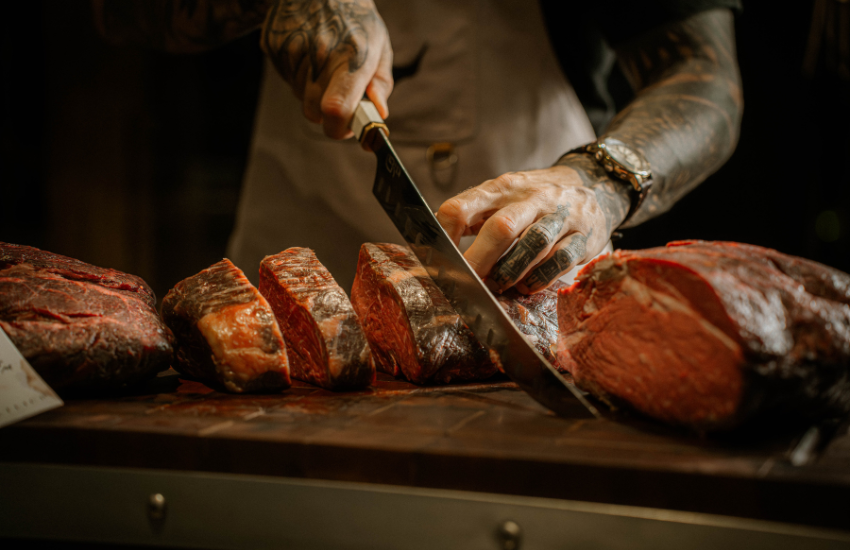
A Commitment to Quality, From Source to Steak
A great steak begins long before it reaches the grill. While cooking technique, seasoning and heat are important, the foundation of any memorable steakhouse meal is the quality of the beef itself.
Selecting premium beef is a careful process that combines knowledge of farming practices, breed characteristics, ageing methods and meat grading systems. Experienced chefs and buyers evaluate multiple factors before deciding which cuts are worthy of their menu.
For steakhouses, the goal is simple but demanding: source beef that consistently delivers flavour, tenderness and character. Restaurants such as SALTLICK place significant emphasis on sourcing, recognising that exceptional steak begins with exceptional ingredients.
Understanding how steakhouses select premium beef offers insight into why some steaks stand out, both in flavour and texture.
Understanding Beef Quality
Before chefs evaluate individual cuts, they consider the broader indicators of beef quality.
High-quality beef is generally defined by three core attributes:
- Marbling (intramuscular fat within the muscle)
- Texture and tenderness
- Depth of flavour
These characteristics develop through a combination of breed genetics, feeding practices and animal welfare.
Professional kitchens, including those at SALTLICK, prioritise beef that demonstrates these traits consistently. Rather than focusing purely on size or appearance, experienced buyers assess how the meat will perform during cooking and how it will taste when served.
Breed Matters
FDifferent cattle breeds naturally produce different styles of beef.
Some breeds are known for their rich marbling, while others are valued for leaner meat with a stronger, more mineral flavour. Steakhouses often select breeds that offer the best balance between tenderness and depth of flavour.
Common breeds used in premium steak programmes include:
- Angus – widely respected for reliable marbling and flavour
- Hereford – known for balanced beef flavour
- Wagyu – famous for extremely high marbling
- Cross-bred European cattle – valued for texture and structure
Restaurants such as SALTLICK often work with suppliers who specialise in these breeds or carefully managed cross-breeds. The aim is to ensure that every steak begins with genetics suited to producing exceptional meat.
The Importance of Marbling
Marbling refers to the fine veins of fat that run through a muscle.
This intramuscular fat plays a crucial role in the final eating experience. When steak cooks, the marbling melts and disperses through the meat, enhancing juiciness and flavour.
Steakhouses typically look for:
- Evenly distributed marbling
- Fine, delicate fat patterns
- Balanced fat rather than excessive external fat
At SALTLICK, cuts are selected with particular attention to this balance. Good marbling helps ensure the steak remains tender while also developing a rich, savoury character when exposed to high heat.
Ageing Beef
Ageing is another defining factor in premium beef selection.
After slaughter, beef undergoes a natural process in which enzymes break down muscle fibres. This process improves both tenderness and flavour.
There are two main methods of ageing:
Wet Ageing
Wet ageing involves vacuum-sealing beef and allowing it to mature in its own juices.
Advantages include:
- Consistent tenderness
- Efficient storage
- Slightly fresher flavour profile
Dry Ageing
Dry ageing exposes beef to controlled air circulation and humidity over several weeks.
During this time:
- Moisture evaporates from the meat
- Flavour becomes more concentrated
- The exterior develops a protective crust
Many steakhouses favour dry ageing because it produces deeper, more complex flavour.
Restaurants such as SALTLICK often incorporate ageing techniques that allow the natural qualities of the beef to develop fully before it reaches the grill.
Feeding and Farming Practices
The diet and environment of cattle influence both flavour and fat composition.
Two primary feeding systems are commonly used:
Grass-Fed Beef
Grass-fed cattle graze naturally on pasture. This often results in:
- Leaner meat
- More pronounced mineral flavour
- Firmer texture
Grain-Finished Beef
Grain finishing involves feeding cattle grains during the final months of growth. This tends to produce:
- Higher marbling levels
- Richer fat texture
- A slightly sweeter flavour
Steakhouses select beef based on how these feeding practices affect the final steak. At SALTLICK, sourcing decisions reflect a balance between flavour development and consistent marbling.
Cut Selection
Even the highest quality beef must be divided into the right cuts to produce great steak.
Certain muscles of the animal naturally lend themselves to steakhouse cooking because they combine tenderness with flavour.
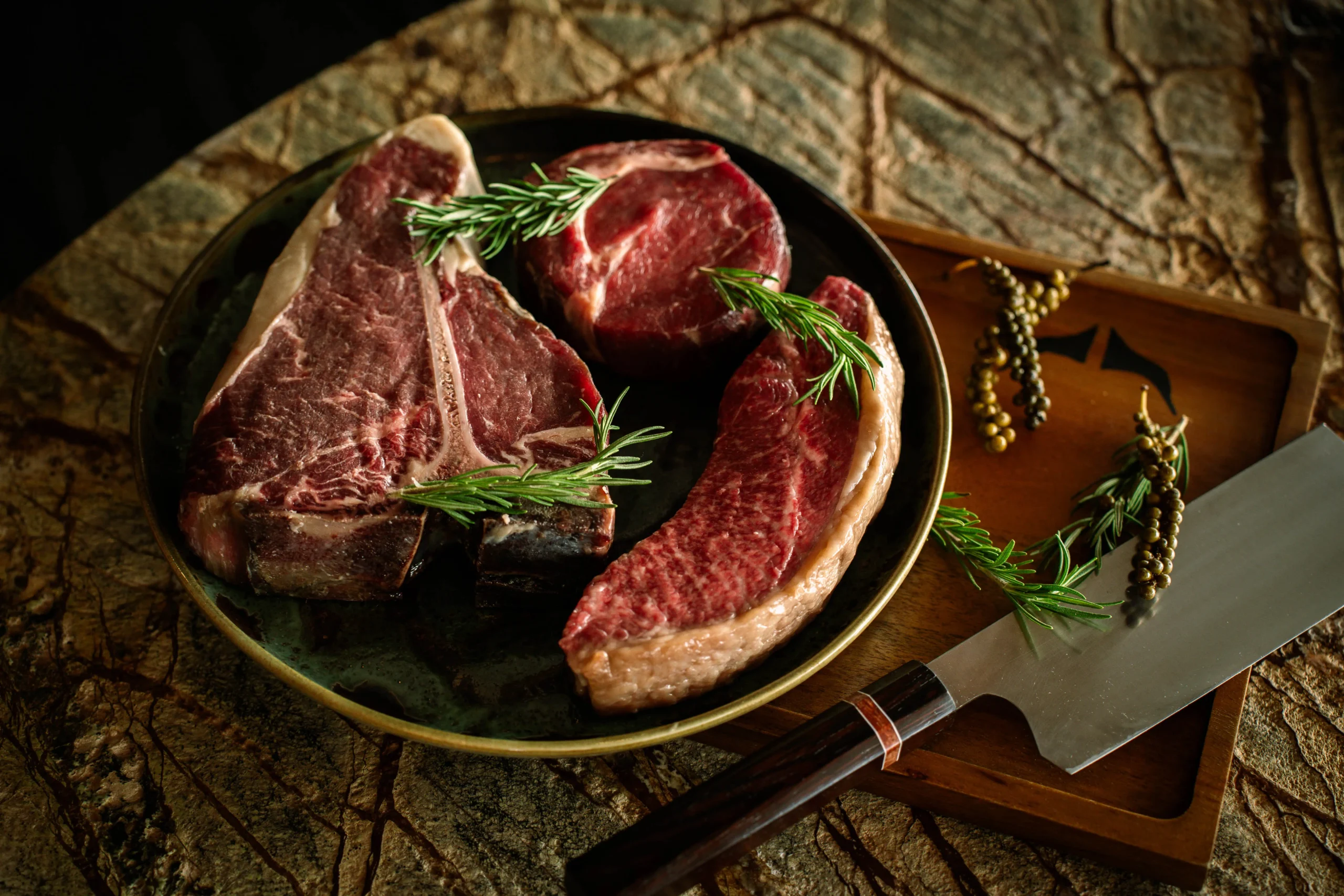
Popular steakhouse cuts include:
- Ribeye – rich marbling and deep flavour
- Striploin – balanced tenderness and structure
- Tenderloin – exceptionally tender with delicate flavour
- T-bone and Porterhouse – combination of striploin and tenderloin
At SALTLICK, these classic cuts are selected for their ability to perform well over high heat, particularly when cooked over woodfire.
Consistency
Premium steakhouses must deliver the same high standard night after night.
This means sourcing beef that remains consistent in:
- Size and thickness of cuts
- Fat distribution
- Cooking performance
- Flavour profile
To achieve this, restaurants often build long-term relationships with trusted suppliers and producers.
At SALTLICK, consistency is a crucial element of sourcing. By working closely with suppliers, the kitchen ensures that each steak reflects the same level of quality expected from a dedicated steakhouse.
Why Sourcing Matters More Than Technique
Cooking technique is important, but even the best grill cannot transform average beef into an exceptional steak.
The sourcing process determines:
- How tender the meat will be
- How well it develops crust during cooking
- The depth of flavour once grilled
For steakhouses, careful selection of beef is therefore the starting point of the entire dining experience.
Restaurants such as SALTLICK recognise that the integrity of the ingredient must come first. The role of the kitchen is then to cook the beef simply and precisely so its natural qualities remain the focus.
A Quiet Note on Steak at SALTLICK
At SALTLICK in Seminyak, the approach to steak begins with sourcing beef that meets strict standards for marbling, texture and flavour.
Once selected, the cuts are prepared with minimal intervention and cooked over woodfire to highlight the natural qualities of the meat. The intention is not to complicate the dish, but to allow the combination of good beef and careful cooking to speak for itself.
For many diners, this simplicity is what defines a memorable steakhouse experience
Frequently Asked Question
What makes beef “premium”?
Premium beef usually has strong marbling, balanced fat distribution, and good tenderness. Breed, feeding practices and ageing all contribute to its quality.
Why is marbling important in steak?
Marbling melts during cooking, which enhances both flavour and juiciness while helping the steak remain tender.
What is dry-aged beef?
Dry ageing is a process where beef is stored in controlled conditions for several weeks. This concentrates flavour and improves tenderness.
Do steakhouses use specific cattle breeds?
Yes. Many steakhouses prefer breeds such as Angus or Wagyu because they naturally produce well-marbled beef.
Why does steak taste different at steakhouses?
Steakhouses often source higher-grade beef and age it properly before cooking, which creates deeper flavour and improved texture.
Reserve your table via the links below and enjoy Bali’s best dry-aged steaks.
FOLLOW US:
Stay updated on our latest news, special events, and exclusive offers by following us on social media.
Connect with us on Instagram and stay closer to SALTLICK.
